


British Prime Minister Sir Keir Starmer acknowledged the need for continued efforts to secure the US-Iran ceasefire, while avoiding direct comments on the status of his relationship with Donald Trump. Concerns arose within Iran regarding a potential withdrawal from the agreement should Israel persist with significant attacks on Hezbollah fighters in Lebanon.
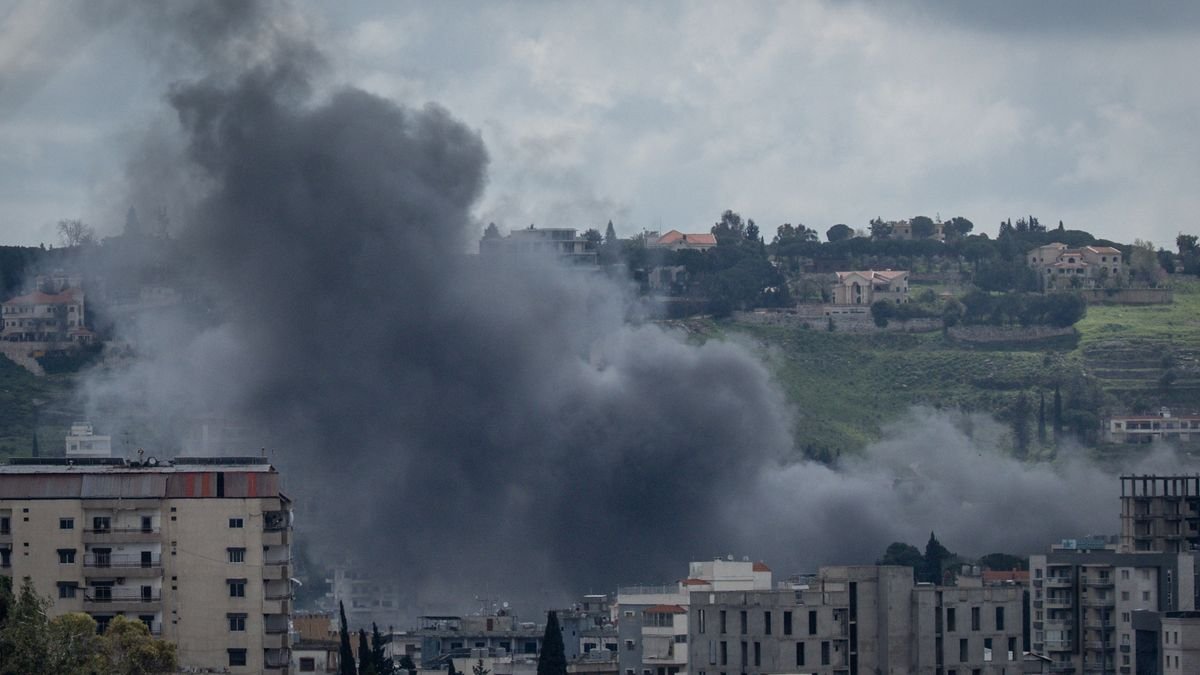
Amid conflicting reports on the Israel-Hezbollah conflict, Israel asserted that the recent hostilities fell outside the ceasefire terms, contrasting Pakistan’s stance that they were included. Israeli forces launched a swift and extensive attack on various locations in Beirut, the Beqaa Valley, and southern Lebanon, marking a substantial escalation in the conflict.
The intensified strikes posed a threat to the fragile ceasefire recognized by US Vice President JD Vance. In response, Iran reportedly closed the Strait of Hormuz following Israeli assaults on Lebanon. Iran hinted at potential retaliatory actions against Israel, accusing it of violating the ceasefire by targeting Hezbollah in Lebanon.
Pakistan, the mediator of the ceasefire involving the US, Israel, and Iran, contended that the agreement encompassed Lebanon, although Israeli Prime Minister Benjamin Netanyahu disputed this interpretation. Against this backdrop, the UK PM undertook discussions with Gulf allies in Saudi Arabia after the US President opted for a temporary truce instead of pursuing aggressive actions against Iran.
The ceasefire proposal, endorsed by Trump, faced immediate challenges as Iran mulled over its next steps in light of what it perceived as ceasefire violations by Israel. Starmer reiterated the UK’s commitment to not engage in the conflict, straining his rapport with Trump, who criticized the UK PM for his non-interventionist approach.
As global leaders called for an end to Israel’s offensive in Lebanon, the UK, France, Italy, Germany, Canada, Denmark, the Netherlands, Spain, and EU officials welcomed the ceasefire. The leaders emphasized the urgency of reaching a comprehensive settlement to safeguard Iran’s civilian population and regional stability, averting a potential energy crisis.
Despite the ceasefire announcement, Lebanon bore the brunt of sustained bombardment, resulting in a significant toll on civilian lives. Netanyahu expressed support for the US-led ceasefire, emphasizing the goal of neutralizing Iran’s perceived threats. However, Israel’s military operations in Lebanon were excluded from the truce, sparking concerns over ongoing hostilities in the region.
Lebanon, entangled in the wider conflict between the US, Israel, and Iran, faced escalating tensions triggered by Hezbollah’s actions and Israel’s retaliatory strikes. The situation remained volatile as Iran contemplated its position within the ceasefire framework amid reported infringements by Israel on Lebanese territory.
In conclusion, the complex dynamics of the US-Iran-Israel conflict underscore the delicate balance of regional power struggles and the critical need for diplomatic resolutions to prevent further escalation and human suffering.