

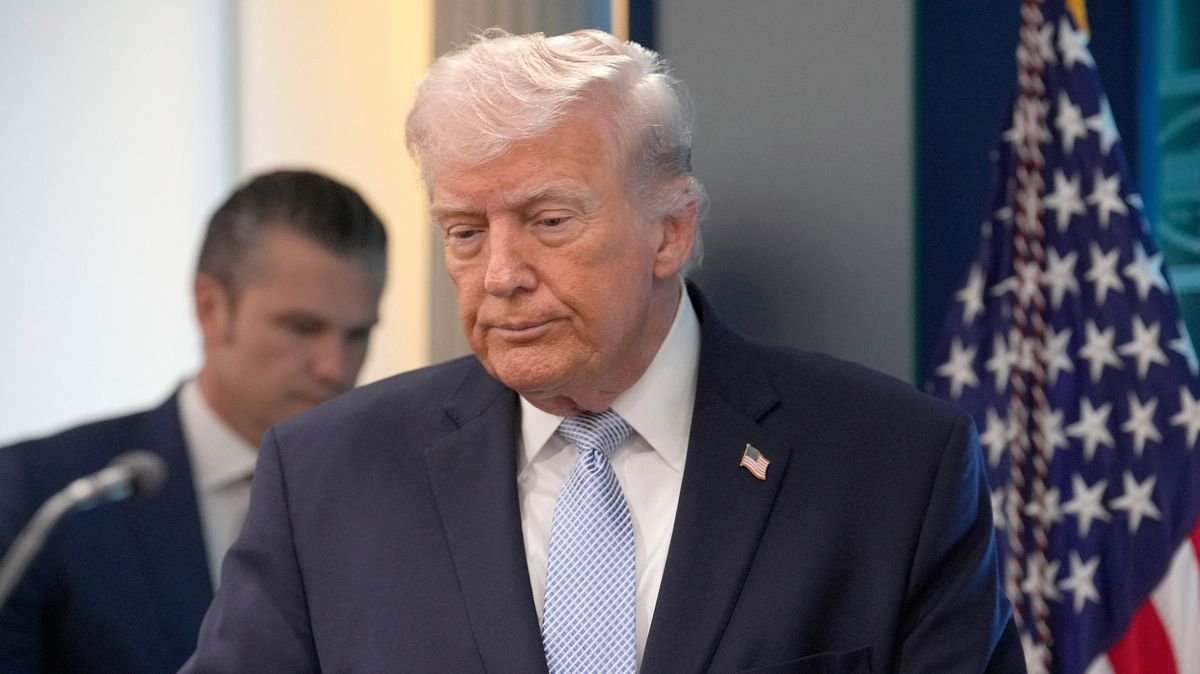

Donald Trump has issued a warning of imposing substantial tariffs on any nation providing military equipment to Iran, a move that may exceed his authority. Trump made this declaration on his Truth Social platform, stating that any country supplying military weapons to Iran would face a 50% tariff on all goods sold to the United States immediately, without exceptions. However, in February, the Supreme Court invalidated his ability to unilaterally impose tariffs without congressional approval.
The recent agreement between Iran, the United States, and Israel for a two-week ceasefire averted Trump’s threatened bombing campaign targeting Iranian civilization. Despite this agreement, reports emerged of new attacks by Iran and Gulf Arab countries shortly after, casting uncertainty on the deal’s sustainability, which Vice President JD Vance described as “fragile.”
The terms of the truce remain ambiguous, with conflicting interpretations from both the US and Iran. While both sides claim victory, Iran has set stringent conditions for reopening the Strait of Hormuz under their supervision, including demands for a US troop withdrawal, sanctions relief, and the release of frozen assets. Trump indicated willingness to discuss tariff and sanctions relief with Iran, although the acceptance of such terms by other Western nations remains uncertain.
Efforts towards a permanent resolution of the conflict are set to begin in Islamabad, with Pakistan offering to host talks. While Israel supported the ceasefire with Iran, Prime Minister Benjamin Netanyahu clarified that the agreement does not cover engagements against Hezbollah, signaling ongoing military operations.
The situation in the region remains tense, with potential flashpoints, such as the US presence in the Strait of Hormuz, posing risks of escalation. Despite the ceasefire announcement driving oil prices down, the lingering uncertainty surrounding the conflict continues to impact global markets.
The involvement of various regional actors, continued military activities, and the complex diplomatic landscape highlight the challenges in achieving a lasting peace in the region.