

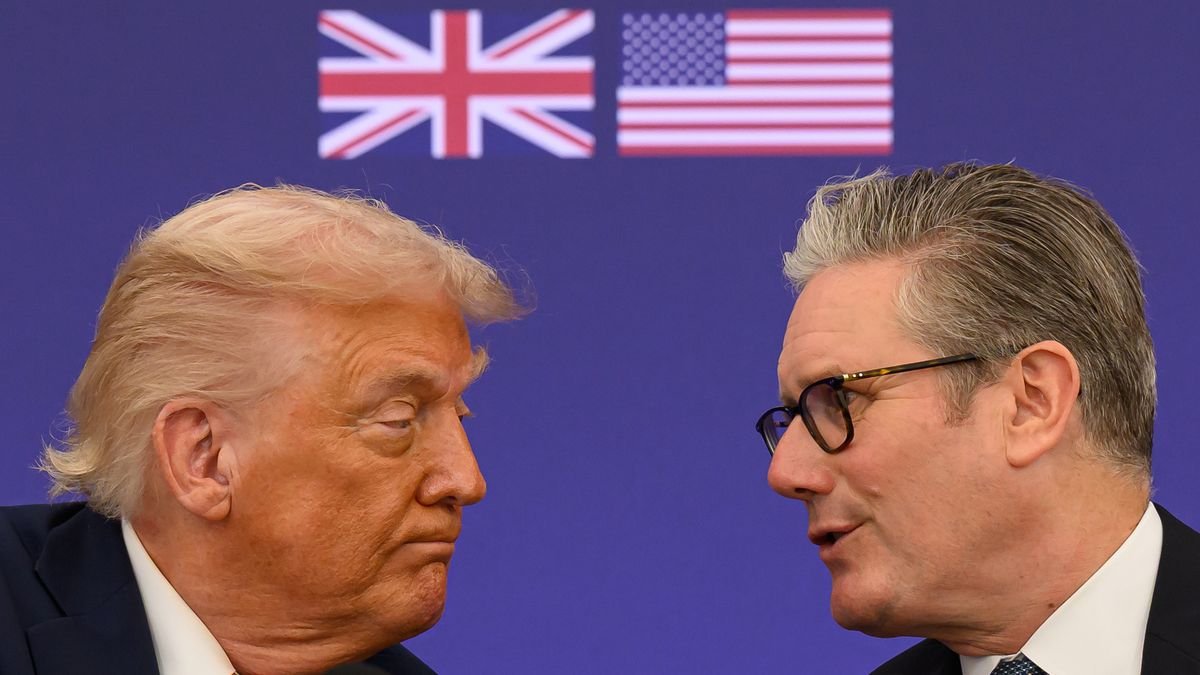

Keir Starmer and Donald Trump recently had a phone conversation regarding the Strait of Hormuz plan, according to reports. The two leaders discussed the urgent need to facilitate the movement of shipping through the strait following the ceasefire in the Middle East, as confirmed by a spokesperson from Downing Street.
The call took place shortly after Starmer criticized Trump’s rhetoric and condemned Israel for its extensive airstrikes on Lebanon. Starmer emphasized the inappropriateness of Tel Aviv’s continued bombardment amidst signs of strain in the temporary halt to the bombing campaign.
A Downing Street representative stated that the Prime Minister spoke with President Trump from Qatar, highlighting the discussions with Gulf leaders and military strategists on restoring navigation freedom in the Strait of Hormuz. They also touched on the UK’s efforts to coordinate with partners to develop a feasible plan.
Both leaders acknowledged the ceasefire and the agreement to reopen the strait, signaling the start of efforts to reach a resolution. They emphasized the importance of devising a practical strategy to resume shipping operations swiftly and agreed to continue their dialogue in the near future.
Starmer previously criticized Trump’s inflammatory language against Iran and his calls for the end of Iranian civilization, affirming his commitment to British values and principles during an interview with ITV’s Talking Politics podcast.
The fragile truce between the US and Iran is showing signs of strain as Israeli airstrikes escalate in Beirut, while Iran maintains control over the Strait of Hormuz. The prospects for a lasting peace remain uncertain, with both Tehran and Washington asserting strength and preparing for upcoming negotiations in Islamabad, where US Vice President JD Vance is expected to lead the American delegation.
Recent airstrikes by Israel in Lebanon led to the deadliest day since the conflict began, resulting in the deaths of over 300 people. Key issues include whether the ceasefire covers Hezbollah, the Lebanese militant group. Iran has issued warnings of strong retaliation if attacks on Hezbollah persist.
Upcoming talks between Israel and Lebanon in Washington are anticipated, with Israeli Prime Minister Benjamin Netanyahu approving direct negotiations. However, the Lebanese government has yet to respond publicly. Netanyahu clarified that there is no ceasefire in place in Lebanon and that Israeli operations against Hezbollah will continue.