

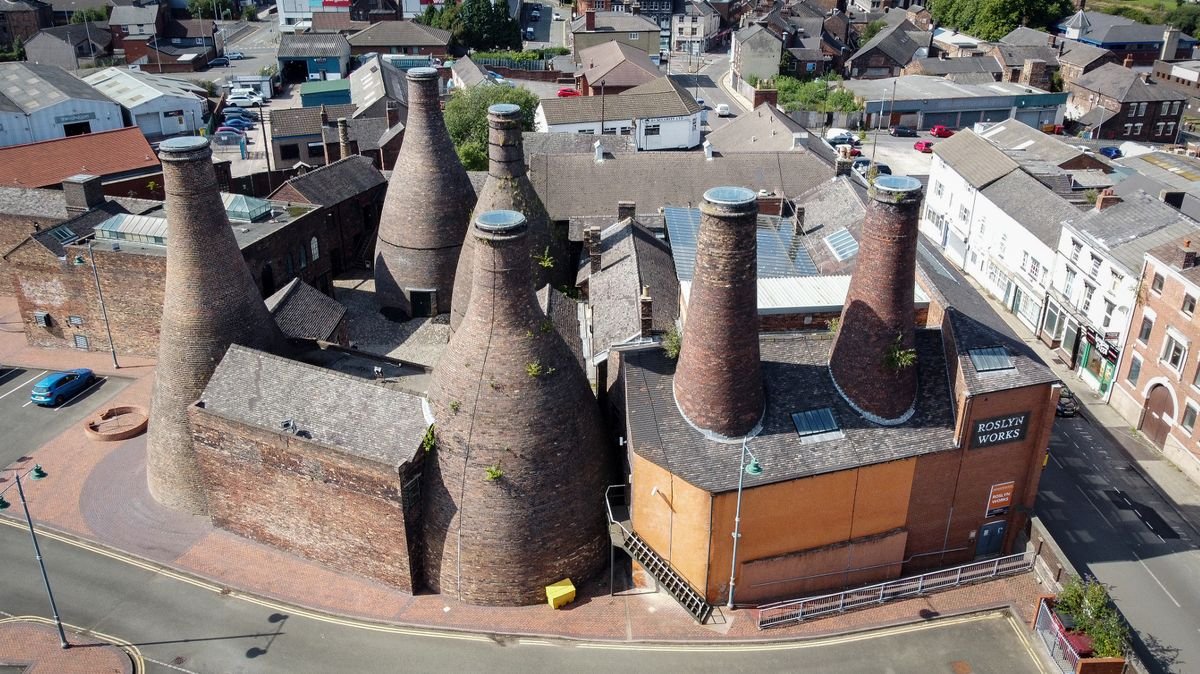

In July of the previous year, I visited GMB members employed in the ceramics sector in Stoke-On-Trent, UK. Accompanied by long-time activist Sharon Yates, we toured Dunoon, a renowned cup manufacturer located just outside the city.
Sharon, a veteran worker in Britain’s potteries, is part of the 20,000-strong workforce in the industry, known locally as ‘the Pots’. With six generations deeply rooted in pottery, she understands the significance of being a potter and the industry’s importance to the Midlands’ working-class community. Sharon works alongside her daughter and granddaughter, embodying the local workforce striving to support their families.
The ceramics industry in Britain plays a vital role in the economy, contributing an estimated £2 billion and supporting 22,000 jobs nationwide. Renowned for their quality, British ceramic products and the skilled workforce behind them are admired globally, with Stoke-On-Trent being acknowledged as the birthplace of modern industrial ceramics, influencing ceramic industries worldwide.
Despite its global reputation, the British ceramics industry faces challenges in maintaining its competitiveness. Major companies like Wedgewood and Denby have recently announced layoffs, plant closures, or other setbacks, attributed to the high production costs driven by the UK’s energy policies.
This issue underscores a uniquely British dilemma, where an industry with immense potential and historical significance is at risk of decline due to policy decisions impacting its sustainability. With the current government in power, there is an opportunity for decisive action to support the pottery sector and safeguard thousands of jobs.
The Labour government has demonstrated the ability to intervene effectively in critical industries, as seen in the steel sector. However, a similar level of urgency is yet to be shown towards the ceramics industry, jeopardizing its future and the livelihoods it sustains.
The Industry Supercharger scheme, designed to alleviate energy costs for energy-intensive industries like ceramics, presents a viable solution that aligns with the industry’s needs and expectations. Despite its cost-neutral nature and broad industry support, the government’s reluctance to extend the scheme to ceramics raises concerns about the industry’s future and the government’s commitment to preserving it.
Failure to address these challenges could have long-term repercussions, leading to the collapse of an industry integral to the livelihoods of working-class individuals and communities. It is imperative for the government to take proactive measures to support the ceramics industry and prevent a crisis that could have far-reaching consequences for the country’s economy.
By prioritizing the sustainability of the ceramics sector and implementing supportive policies, the government can safeguard jobs, promote economic growth, and preserve a heritage industry that holds significant cultural and economic value.