

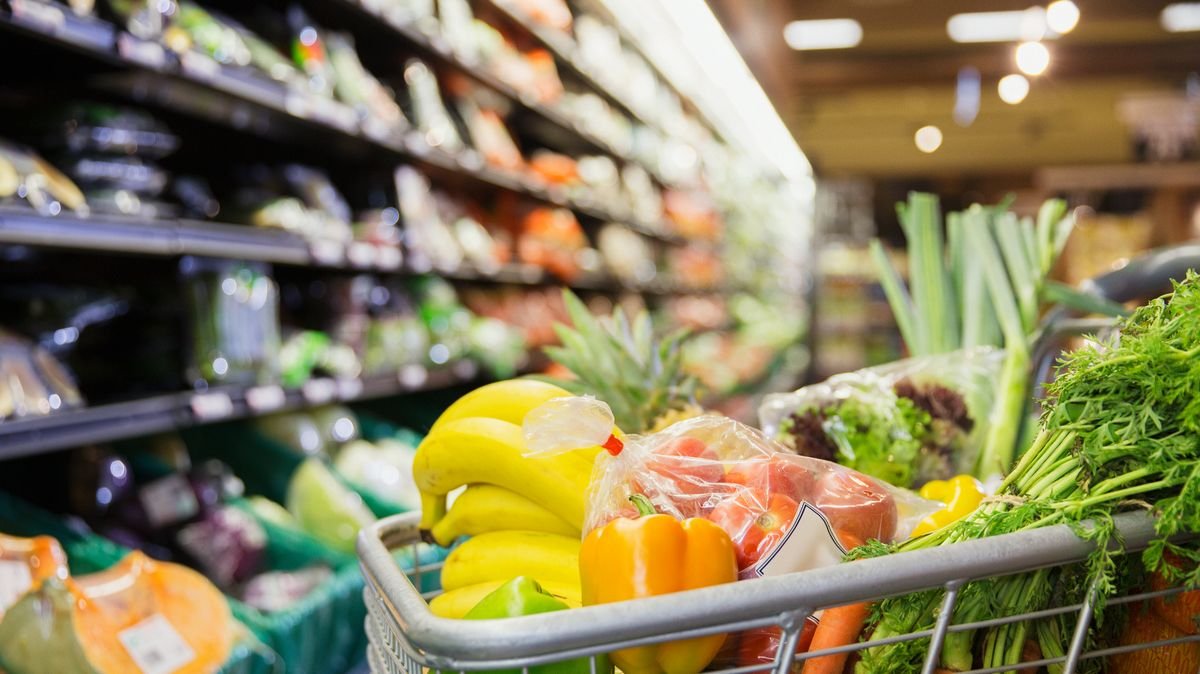

Chancellor Rachel Reeves has unveiled a plan to eliminate tariffs on specific food and beverage items to assist consumers in saving money at supermarkets amidst concerns of escalating costs.
The list of items includes pasta, juices, tuna, oranges, peaches, and other essential grocery items. These products will have tariffs waived until the conclusion of 2028, encompassing over £2 billion worth of imports into the UK.
Typically, a tariff is a tax imposed by a government on imported goods, with the cost usually transferred to consumers. The tariffs on these products can range from 2% to 50% of the imported item’s cost, but now they will be set at 0%.
However, any potential price reduction may not take effect immediately and relies on businesses passing on the savings to customers.
This initiative targets products with minimal or no domestic production in the UK, with additional items to be identified following further consultations with farmers and supermarkets.
After discussions with major supermarkets such as Tesco and Sainsbury’s, the Chancellor took action to mitigate the impact of potential food inflation due to disruptions in fertilizer supplies caused by the closure of the Strait of Hormuz and increased fuel costs affecting transportation expenses.
The Food and Drink Federation (FDF), representing 12,000 food and drink manufacturers, has cautioned that food inflation could surge to 9% by the end of 2026. Meanwhile, businesses have informed the Bank of England that UK food inflation might escalate to 7%.
In response to a worst-case scenario of potential food shortages, particularly for items like chicken and pork, due to CO2 supply disruptions, the government officials have been proactive, emphasizing that shortages have not occurred yet.
Rachel Reeves emphasized the impact of external conflicts on household finances, pledging support through various measures such as tariff suspensions, energy bill reductions, and freezing rail fares and prescription charges to assist those in need.
Environment Secretary Emma Reynolds highlighted the concerns regarding Middle East conflicts affecting food costs, emphasizing the suspension of selected food tariffs to relieve pressure on household budgets while maintaining support for British farmers and ensuring food security.
Collaboration with supermarkets, producers, and suppliers is ongoing to safeguard family finances and sustain the production of high-quality British food.