

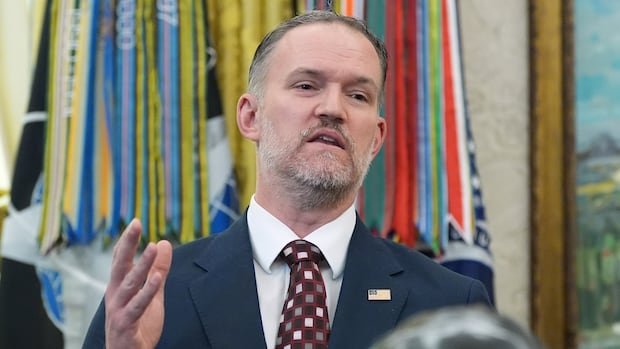

U.S. Trade Representative Jamieson Greer revealed that both U.S. President Donald Trump and Prime Minister Mark Carney will be presented with various “options” following recent trade discussions between Canadian and U.S. trade officials. Greer emphasized the ongoing negotiations’ progress from the Trump administration’s perspective, indicating that both leaders will engage in discussions based on the outcomes.
After the talks, Canada-U.S. Trade Minister Dominic LeBlanc expressed commitment to fulfilling Canadians’ expectations through continued efforts. He refrained from specifying the number of future meetings with Greer, stating that they will convene as necessary.
In a separate development, LeBlanc is scheduled to update the federal government’s Advisory Committee on Canada-U.S. Economic Relations on the negotiation progress. This committee serves as a strategic platform for devising Canada’s economic approach towards the U.S.
Following their latest meeting, LeBlanc and chief trade negotiator Janice Charette engaged in discussions with Greer for the second time this week and the fourth time in three weeks. The intensified talks come in response to Trump’s threat of imposing substantial tariffs on Canadian goods, in addition to existing sectoral tariffs.
Recent reports indicate that LeBlanc and Greer are collaborating on a proposal to present to Trump before the impending tariff deadline, aiming to facilitate a potential trade agreement. While the Americans have proposed reducing some sectoral tariffs, discrepancies persist over the extent of tariff adjustments desired by Canada. Additionally, the U.S. seeks preferential access to Canadian critical minerals, encompassing security and energy aspects.
In a bid to address the escalating trade tensions, the Canadian side is willing to address key concerns, including lifting retaliatory tariffs on U.S. autos and making adjustments in the dairy sector. However, the political feasibility of continuing negotiations could be jeopardized if the Aug. 19 tariffs are implemented, as highlighted by industry sources.
Ontario Premier Doug Ford conveyed openness to reintroducing U.S. alcohol on provincial shelves upon reaching a fair deal safeguarding Ontario’s key sectors. Ford emphasized the adverse impacts of tariffs, labeling them as taxes on the American populace. Quebec Premier Christine Fréchette’s office echoed similar sentiments regarding U.S. alcohol bans, underscoring the regional autonomy in making decisions on alcohol sales.