


Keir Starmer and global leaders have urged Israel to halt its offensive in Lebanon while advocating for a lasting cessation of hostilities between the US and Iran.
Today, the Prime Minister traveled to Saudi Arabia to engage in discussions with Gulf leaders, aiming to facilitate a durable resolution to the ongoing conflict.
This visit follows Donald Trump’s retreat from his doomsday warnings, agreeing to a two-week ceasefire just before his ultimatum for Iran to reach a deal expired. Trump had previously issued dire threats, claiming that failure to comply would lead to catastrophic consequences for civilization if Iran did not cease hostilities and reopen the vital shipping lane of the Strait of Hormuz, blocked by Tehran.
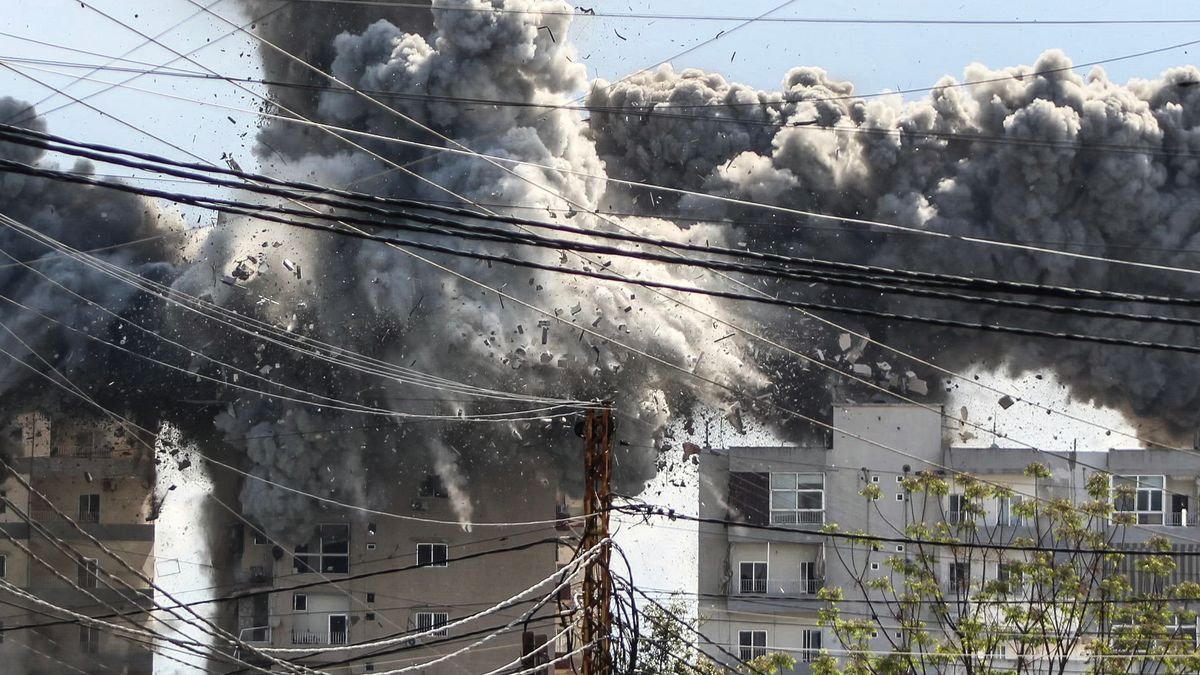
Despite the ceasefire agreement, Israel has continued its military strikes on Lebanon in its conflict against Hezbollah, a militant group backed by Iran.
A joint statement from the leaders of the UK, France, Italy, Germany, Canada, Denmark, the Netherlands, Spain, and the presidents of the European Commission and European Council expressed approval of the ceasefire. They emphasized the need for swift progress towards a substantial negotiated settlement to safeguard the civilian population in Iran and uphold regional security, potentially averting a severe global energy crisis.
The leaders endorsed diplomatic initiatives and pledged close collaboration with the US and other partners to enforce the ceasefire, including in Lebanon. They committed to ensuring freedom of navigation in the Strait of Hormuz, with efforts underway to address the closure of this critical oil and gas shipping route, which has caused a surge in global oil prices.
During his discussions with Gulf leaders, the Prime Minister will explore strategies to support the cessation of hostilities and work towards the permanent reopening of the Strait of Hormuz. The closure of this strategic waterway has significantly impacted oil and gas shipping, leading to a spike in global energy prices.
Additionally, Mr. Starmer is scheduled to meet with British and allied military personnel stationed in the region to express appreciation for their service and dedication.