


In a dramatic turn of events, Donald Trump made a last-minute decision to avert a possible conflict with Iran. The U.S. President’s aggressive stance seemed to serve as a strategic move to pressure Tehran into submission, resulting in a temporary two-week ceasefire following weeks of war and chaos.
Despite the ceasefire, Iran’s leadership remains intact, retaining its nuclear program and gaining confidence after withstanding attacks from the world’s most formidable military force. The ability to control the vital Strait of Hormuz gives Iran significant leverage on global oil and gas shipments, allowing them to dictate terms and potentially generate substantial revenue through toll charges.
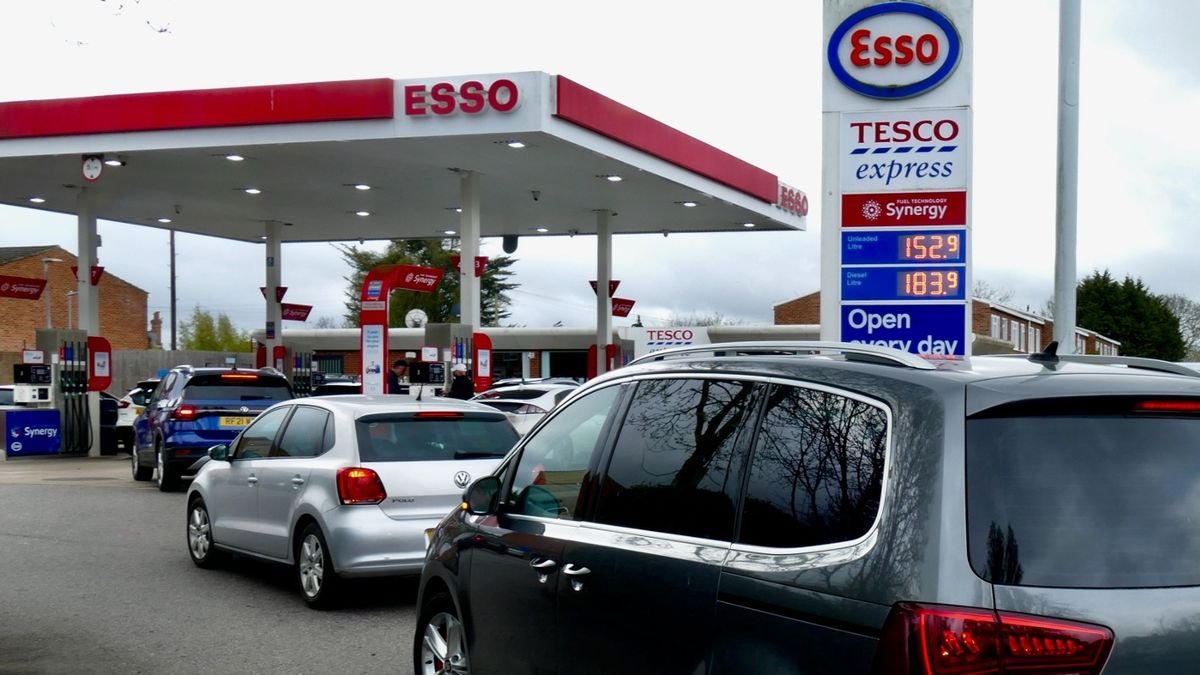
While the ceasefire brings hope for stability, its impact on global markets, particularly in the UK, is significant. The Middle East tensions led to increased fuel prices, affecting households and businesses. The recent price surge, partly due to the crisis, may see a gradual decline with the ceasefire in place, but prices are expected to remain above pre-conflict levels.
The aftermath of the conflict will have lasting effects on energy prices, with potential increases in household gas and electricity costs in the upcoming months. Ofgem’s price cap adjustments, influenced by market conditions, could lead to higher bills for consumers. A sustained ceasefire and a lasting peace agreement are crucial to mitigating economic repercussions and restoring stability in the region.