

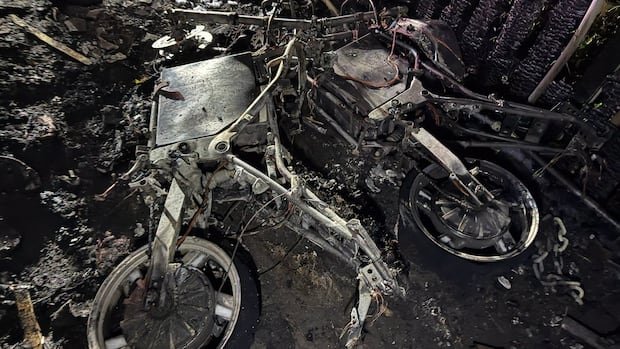

Firefighters are expressing concerns over the emergence of hot, fast-burning fires in lithium batteries used in e-bikes at residential settings, such as incidents in Toronto and Peterborough, Ontario, this week, as well as in large storage batteries at a solar farm in Prince Edward Island last month.
The issue of lithium battery fires has prompted restrictions on electric bikes and cars in certain buildings, public transit, and ferries, impacting users who depend on these modes of transportation. Additionally, these incidents have instilled hesitancy in some individuals about adopting electric vehicles.
This week, during Fire Prevention Week, the focus is on lithium batteries as an official theme, shedding light on the challenges posed by lithium battery fires and strategies to mitigate associated risks.
While Canadian fire departments lack consistent tracking of lithium battery fires, a survey by the Canadian Association of Fire Chiefs estimates around 1,500 fires caused by lithium batteries across 600 communities in the country last year. The incidents are predominantly linked to devices found in households, particularly e-bikes and e-scooters.
Contrary to the commonality of household device fires, EV and energy storage battery fires are uncommon due to rigorous testing and integrated safety mechanisms. Although nationwide statistics on EV fires are lacking, U.S. data suggests their rarity compared to fires in traditional gas-powered vehicles.
Lithium battery fires are predominantly triggered by the breach of the battery’s terminal separation barrier, leading to a short circuit and subsequent fire. Factors such as wear and tear, physical damage, or overheating due to improper charging practices can ignite fires. These fires are known to burn hotter and faster than conventional fires, posing significant challenges to extinguishing them effectively.
To reduce the risk of lithium battery fires, consumers are advised to purchase certified batteries with safety labels and refrain from modifying them. Proper charging practices, appropriate storage, and recycling damaged batteries at designated drop-off sites are recommended preventive measures.
In instances of lithium battery fires, firefighting methods may involve significant water usage, although experts caution that water may not effectively extinguish the fire and could lead to potential reignition. The complex nature of lithium battery fires demands specialized handling and preventive measures to mitigate risks effectively.