

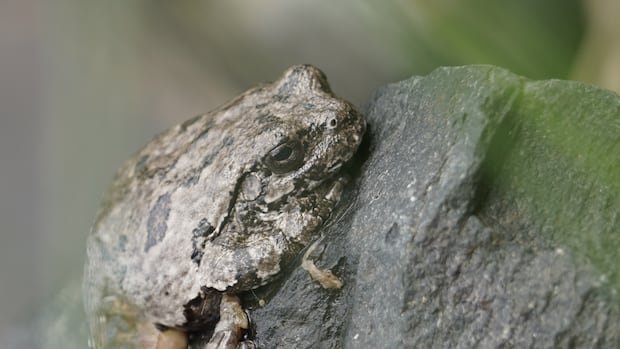

A deadly fungal disease known as chytridiomycosis is causing skin thickening, lethargy, and respiratory and feeding difficulties in frogs and toads, potentially leading to their extinction. While not yet detected in Manitoba, the disease, caused by Batrachochytrium dendrobatidis in frogs and Batrachochytrium salamandrivorans in salamanders, is believed to be widespread in North America.
The fungal pathogen has devastated amphibian populations worldwide, with at least 90 species already extinct and over 500 others severely affected. Chytrid has been labeled as the worst infectious disease among vertebrates due to its destructive impact. Recent studies have shown its presence in various Canadian provinces, raising concerns about its potential spread in the Prairies.
Research conducted in Manitoba aims to proactively monitor and potentially mitigate the disease’s impact on local amphibian populations. The study’s findings could have broader implications for wetland health and ecosystem stability. By identifying high-risk habitats and implementing preventive measures, there is hope to prevent further declines in amphibian populations and preserve species diversity.