

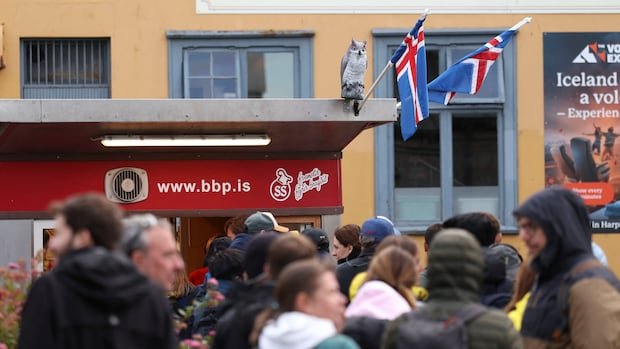

Icelandic voters have chosen not to pursue European Union membership, following a referendum that highlighted concerns over the importance of the country’s fishing waters. Despite initial expectations of a close vote in favor of starting membership talks, recent opinion polls indicated a shift in sentiment.
In the referendum held on Saturday, 52.8% of ballots opposed the government’s proposal to engage in negotiations with the EU, while 47.2% were in favor. An impressive 82.5% voter turnout was reported, with only the central Reykjavik districts showing majority support for membership talks, while rural areas and suburbs voted against.
The government had positioned EU membership as a means to shield against trade conflicts and Arctic tensions, emphasizing the urgency of the decision. Prime Minister Kristrun Frostadottir stressed that a “no” vote would settle the debate for the duration of her center-left coalition’s tenure.
The discussion around EU accession has spanned decades, with some EU officials hoping that Iceland’s inclusion could enhance the bloc’s credibility and strategic position in the Arctic. The potential security benefits of EU membership were also debated, especially in light of uncertainties surrounding NATO and U.S. commitments.
For many Icelanders, the focus on fishing industry outweighed security concerns. Fishing plays a significant role in Iceland’s economy, contributing 15% to GDP and around 40% to export revenue. Financial considerations, including high inflation rates and interest costs, were central to the referendum discourse, with proponents of EU membership suggesting it could offer economic relief.
Despite arguments for EU ties, opposition leader Gudrun Hafsteinsdottir contended that Iceland’s economic challenges should be addressed internally rather than relying on Brussels. Voters like Ragnhildur Skarphedinsdottir, 70, expressed confidence in Iceland’s autonomy and voted against EU negotiations.
Regarding fishing rights, EU regulations stipulate that quotas are determined by historical fishing practices, raising concerns about potential loss of control. While some officials believe Iceland could maintain sovereignty over its waters, skeptics like Hafsteinsdottir remain cautious about the EU’s long-term intentions.