


A certain species can be declared as endangered in Canada and still face prolonged delays in Ottawa’s decision-making process regarding its protection, while the environment it relies on continues to evolve.
According to a recent research study, out of 288 species marked as at risk since 2017, only 17 made it to the Governor in Council, the federal cabinet body responsible for final listing decisions, within the recommended timeframe. As of January 25, 2025, a significant 153 species, more than half of the total assessed, were past due and awaiting decisions.
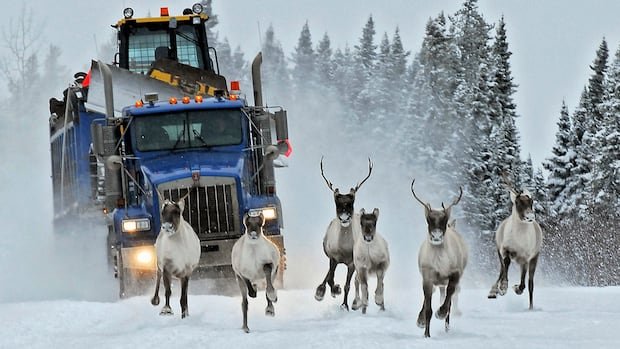
Among the affected species are caribou, beluga whales, and lake sturgeon, all classified as endangered or threatened, awaiting critical listing determinations that could result in habitat safeguards and a recovery strategy.
The study highlights a bottleneck in the Species at Risk Act (SARA), where Ottawa has set timelines for advancing assessments but lacks a statutory deadline for a crucial stage in the process.
The study does not pinpoint the reasons for the delays, but critics argue that this gap allows governments to defer challenging decisions balancing conservation and economic concerns.
Peter Thompson, the lead author of the study and a postdoctoral biology researcher at Simon Fraser University, noted the consistent failure of the government to meet its recommended timelines of one to two years.
One illustrative case is the Saskatchewan-Nelson River population of lake sturgeon, an ancient fish facing endangerment. Designated as endangered by COSEWIC in 2017 due to drastic declines, the population missed a federal deadline for assessment progress in January 2020 and remained in limbo five years later, impeded by obstacles like dams hindering their natural movements.
The protection of a species under SARA depends on formal listing or reclassification by the federal government following a COSEWIC assessment. This legal status triggers prohibitions against harming, harassing, or capturing the species, along with the requirement for a recovery strategy and the identification of critical habitat for protection.
Marine and freshwater species face distinct challenges under SARA, with aquatic species benefitting from broader protections across all waters, unlike terrestrial species with limited federal land coverage.
Indigenous consultation emerges as another factor influencing the listing process, with Indigenous communities seeking to safeguard both species and cultural connections to the environment.
The lack of transparency in delays, including vague explanations, raises concerns about the prioritization of conservation versus economic interests, perpetuating the backlog of species awaiting critical decisions.
Efforts to streamline the listing process and provide timely protections for species remain a pressing concern, emphasizing the need for efficient decision-making to preserve biodiversity and Indigenous cultural heritage.