

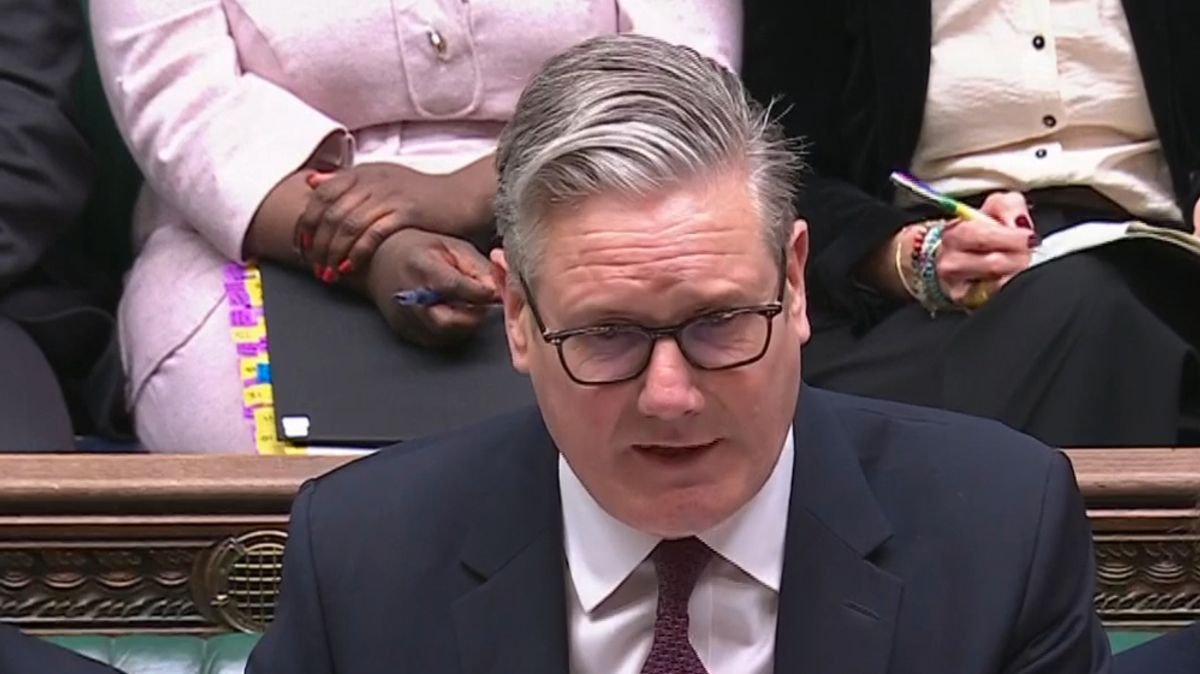

Keir Starmer expressed concerns about the escalating tensions in the Middle East following the initiation of a blockade on the Strait of Hormuz by Donald Trump. The Prime Minister emphasized the need for a composed yet resolute approach to address the conflict in the region, noting the fragility of the two-week ceasefire between the US and Iran.
In his address to Parliament, the PM highlighted the precarious situation in the Middle East, emphasizing the importance of restoring stability to the vital shipping lane of the Strait of Hormuz, responsible for a significant portion of global oil and gas transportation. Trump’s decision to impose a blockade on the strait further heightened tensions, leading to a spike in oil prices.
Starmer acknowledged the rapidly changing global landscape, emphasizing the need for a measured response to the Middle East crisis. He underscored the necessity of restoring freedom of navigation in the Strait of Hormuz, denouncing Iran’s actions that have disrupted global economies.
The PM outlined plans to convene a summit with French President Emmanuel Macron to facilitate diplomatic efforts and military planning aimed at resolving the conflict and ensuring safe passage through the strait. Starmer also condemned Israel’s strikes on Lebanon and advocated for Lebanon’s inclusion in the ceasefire agreement.
Addressing concerns about the upcoming state visit to the US, Starmer affirmed the importance of the relationship between the UK and the US, highlighting the historical significance of the visit in marking the 250th anniversary of the countries’ alliance.
Starmer pledged to strengthen economic ties with European partners in response to the Middle East crisis, emphasizing the need for a different approach that reflects the evolving global environment. He reiterated his commitment to making Britain energy independent to mitigate the impact of international events on energy bills.
By prioritizing diplomacy and international cooperation, Starmer aims to navigate the complex geopolitical challenges posed by the Middle East crisis while safeguarding the interests of the UK and its allies.