

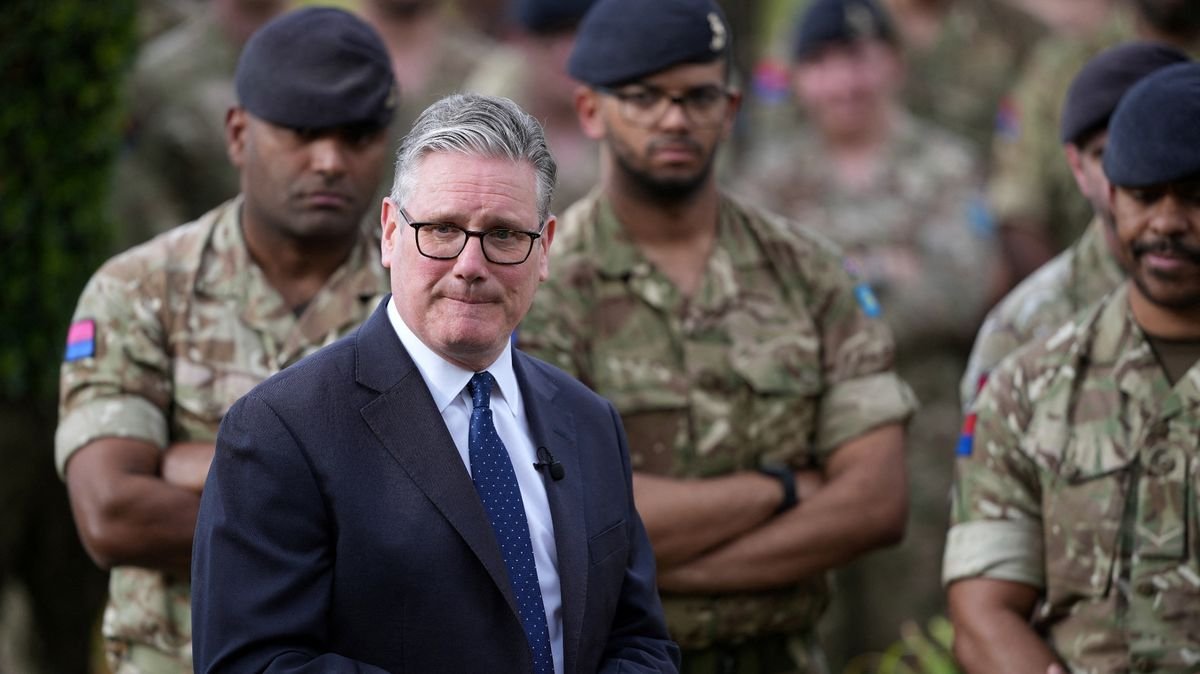

Keir Starmer faced strong criticism from former Nato leader Lord George Robertson, who raised concerns about Britain’s security being at risk due to a lack of preparedness and a complacent attitude among political leaders. Lord Robertson, a former Labour defense secretary, highlighted the growing welfare budget and the Prime Minister’s lack of urgency as factors contributing to the country’s vulnerability to potential conflicts.
In a forthcoming lecture, Lord Robertson will emphasize the need for immediate action, stating that the recent Iran conflict should serve as a wake-up call for government officials. He expressed that the nation is ill-equipped, underfunded, and vulnerable to threats, putting national security in jeopardy.
However, Downing Street dismissed Lord Robertson’s claims, asserting that the armed forces are actively working to safeguard the country both domestically and internationally. They emphasized the ongoing efforts of military assets such as Typhoon and F-35 jets and Wildcat helicopters in regions like the Middle East and the Atlantic to address security challenges.
Lord Robertson criticized Prime Minister Starmer for not allocating sufficient resources to defense, accusing non-military experts in the Treasury of neglecting defense priorities. He highlighted the imbalance between defense rhetoric and tangible actions, citing a lack of investment in defense capabilities amidst a growing welfare budget.
Moreover, Lord Robertson pointed out the inadequate attention given to defense matters by politicians like Rachel Reeves, criticizing the lack of focus on security issues in key budget speeches. He expressed concern over the prevailing complacency within British political leadership, emphasizing the necessity for concrete actions to address security threats.
Addressing shifts in global dynamics, Lord Robertson commented on the changing role and priorities of the United States under the criticism of former President Donald Trump. His remarks, as a prominent defense expert within the Labour party, are expected to trigger concerns within Westminster amid the aftermath of conflicts involving the US and Israel in the Middle East.
Pressure mounts on Mr. Starmer regarding delays in the 10-year defense investment plan, which is crucial for implementing strategic defense initiatives. The Prime Minister assured that the plan is being finalized to avoid repeating past mistakes of unfunded defense plans inherited from previous administrations.
The Government has committed to increasing defense spending to meet Nato targets, aiming to allocate a significant portion of the GDP for defense by 2027. However, reports indicate a funding gap of approximately £28 billion in existing defense plans, leading to disagreements between the Ministry of Defence, Treasury, and Downing Street on the way forward.
A Government spokesperson reaffirmed the commitment to enhance defense capabilities through strategic planning and substantial investments, emphasizing the importance of modernizing defense infrastructure and supporting British industry growth. They assured the imminent release of the defense investment plan to address defense needs and strengthen the country’s defense posture in alignment with Nato objectives.