

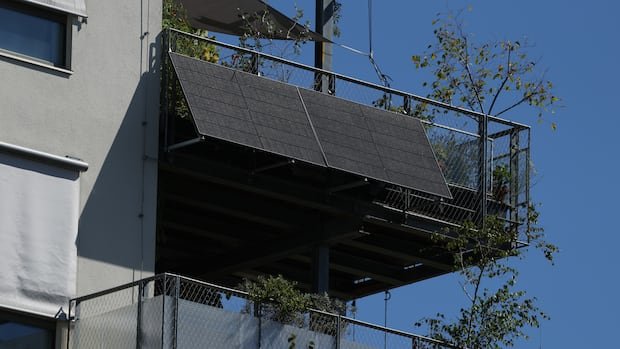

Amid a significant 34% surge in electricity prices, the Yukon Conservation Society is urging Yukoners to take control of their energy generation. The non-profit organization recently turned to social media to promote the use of plug-in solar panels, a technology gaining popularity due to escalating energy expenses. Although plug-in solar panels are not currently permitted in Canada due to the absence of official standards and hesitancy from provinces, territories, and utilities.
Sebastian Jones, a fish, wildlife, and habitat analyst at the Yukon Conservation Society, highlighted the frustration among many individuals regarding escalating utility bills and dissatisfaction with the Yukon government’s indefinite suspension of the microgeneration program. Jones suggested that acquiring solar panels and an inverter from a retailer like Canadian Tire and connecting them to a dedicated circuit could serve as a quick solution for interested individuals.
The territory ceased issuing permits for home solar panel connections in 2023 after experiencing disruptions to the electrical grid caused by these devices. Yukon Energy faced challenges managing rapid solar fluctuations due to weather changes, leading to operational issues within the grid.
Wayne Potoroka, a spokesperson for Yukon’s Community Services department, emphasized that using uncertified solar panels and equipment is against Canadian regulations. Yukon Energy refrained from taking a stance on plug-in solar technology due to its lack of authorization.
John Maissan, a former senior engineer at Yukon Energy, expressed concerns about potential electrical hazards and circuit problems if individuals directly connect solar systems to their home outlets without professional installation. However, he remains optimistic about the territory’s renewable energy future, mentioning the potential benefits of incorporating batteries to manage solar power fluctuations.
Despite the current restrictions, a grid-scale battery project is underway in Whitehorse, with Yukon Energy reporting that the project is nearing completion. Jones, inspired by Germany’s “guerrilla solar” movement, believes that grassroots adoption of plug-in solar technology could push the government and energy providers to modernize and accommodate distributed energy sources effectively.
The concept of “balcony solar” originated in Germany, where a movement advocating for plug-in solar panels gained traction, particularly among renters without access to roof installations. The simplicity and cost-effectiveness of plug-in solar technology have attracted attention globally, including in conservative states like Utah, where legislation was passed to legalize plug-in solar systems.
Utah’s move towards solar power reflects a broader trend in the United States, with other states following suit to permit plug-in solar installations. Advocates of plug-in solar point to Germany’s success in implementing the technology safely and efficiently as a model for other countries to consider.
In Canada, the Calgary Climate Hub launched a nationwide campaign promoting plug-in solar technology, aiming to involve lower-income individuals and those residing in apartments or condos in the renewable energy transition. While the “guerilla” approach suggested in the Yukon raises safety concerns, advocates like Joe Vipond emphasize the importance of establishing legal frameworks that align with safety standards while also acknowledging the growing excitement around plug-in solar initiatives across the country.