


A groundbreaking project aiming to establish a 3,400-kilometre habitat corridor connecting Yellowstone National Park in the U.S. to Canada’s Yukon has been selected as one of the finalists for Prince William’s prestigious Earthshot Prizes. The initiative, known as the Yellowstone to Yukon Conservation Initiative (Y2Y), is the first Canadian project to reach the finals. The Earthshot Prizes, which include 15 finalists across five categories, will award £1 million ($1.9 million Cdn) to each category winner during a ceremony in Mumbai in November.
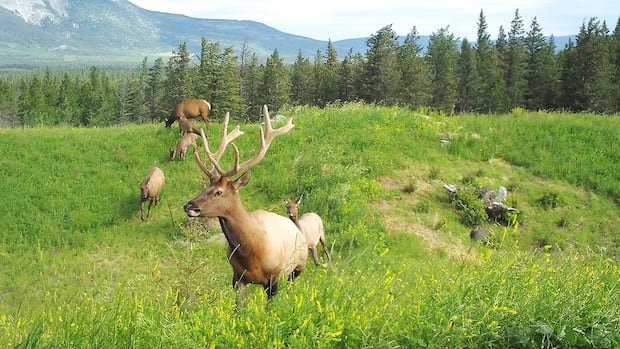
Y2Y, recognized by the Earthshot Prize as one of the most significant conservation collaborations in history, aims to reestablish a vast mountain landscape across Canada and the U.S. to enable wildlife to move freely as they did for centuries. The corridor currently houses various large mammals, including wolves, grizzly bears, wolverines, and endangered mountain caribou, within its 25 million hectares of protected land, an area slightly larger than the United Kingdom.
Initiated in 1993 as a joint effort between a U.S. non-profit organization and a Canadian charity, Y2Y was inspired by a wolf named Pluie, equipped with a satellite tracking collar near Banff National Park in 1991. The project seeks to address the need for wildlife to have expansive areas for movement, especially considering the impact of climate change necessitating migrations to northern and higher elevation regions.
Over the past 30 years, Y2Y has significantly increased protected areas within the corridor, collaborating with 800 partners, including governments, Indigenous nations, private landowners, and scientists. The initiative has facilitated the construction of over 200 wildlife road crossings and played a pivotal role in the recovery of the Klinse-Za caribou herd in British Columbia.
Additionally, the initiative has led to benefits for both wildlife and people, such as increased parkland for recreation, reduced wildlife-vehicle collisions, carbon absorption, and the preservation of clean water in the region. While the $1.9 million Earthshot Prize would provide crucial support, Y2Y acknowledges that more funding is required for projects like wildlife crossings, which can cost up to $20 million each.
Being recognized by the Earthshot team is seen as an opportunity to raise awareness, attract more support, and connect with global resources and organizations addressing similar environmental challenges. The Earthshot Prize, established in 2021 and continuing until 2030, aims to promote innovation in combatting climate change and resolving environmental issues across the world.