

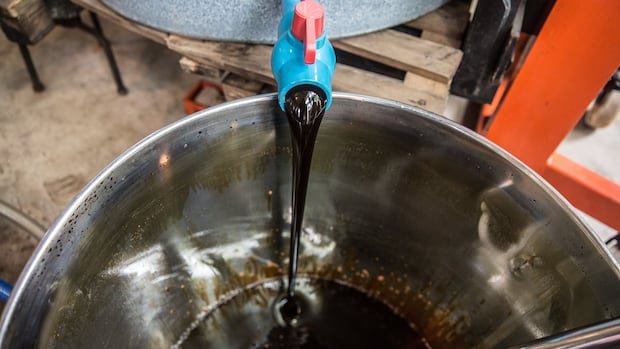

A ban on Canadian molasses imports by the U.S. has reignited concerns about sugar smuggling and a dispute involving a company with a significant refinery in Hamilton, Ontario. While trade tensions between Canada and the U.S. under President Donald Trump’s administration have encompassed various sectors like dairy, automobiles, and alcohol, the decision to prohibit molasses imports alongside motorcycles, select alcoholic beverages, and certain dairy products has raised eyebrows.
The ban, set to take effect on September 29, follows sustained pressure from American sugar producers urging the government to impose higher tariffs on foreign sugar products, citing unfair competition from cheaper imports. Allegations have surfaced that Canadian refineries are importing sugar mixes disguised as pure molasses to bypass sugar tariffs and quotas.
At a key industry event, Sugaright, a division of CSC Sugar based in Connecticut, highlighted the urgency of halting the influx of diluted Canadian molasses into the U.S. market. This concern was a focal point at the International Sweetener Symposium in Vail, Colorado, during the summer.
The issue traces back to a past case where a company in Michigan mixed molasses with sugar and water at a facility in Ontario to sidestep tariffs. Despite the legality of the practice, subsequent industry pressure and legal actions led to the closure of operations in the 2000s.
Sucro Can Sourcing, chaired by Don Hill, has been at the center of the recent accusations, with claims that his company has been unfairly targeted due to its molasses shipments to the U.S. Hill refuted the allegations, emphasizing the legitimate nature of their operations and the increase in molasses exports compared to a decade ago.
The American Sugar Alliance, representing U.S. sugar producers and refiners, commended the molasses import ban, asserting the administration’s commitment to enforcing trade laws and safeguarding American interests. Amidst these developments, questions remain about the motivations behind the ban, with concerns over potential industry influence in policy decisions.
Efforts to address the situation have been met with challenges, including a disputed USDA study on molasses purity and ongoing regulatory scrutiny. As the debate continues, the implications of the molasses ban on the sugar industry and cross-border trade relations remain a subject of interest and contention.