

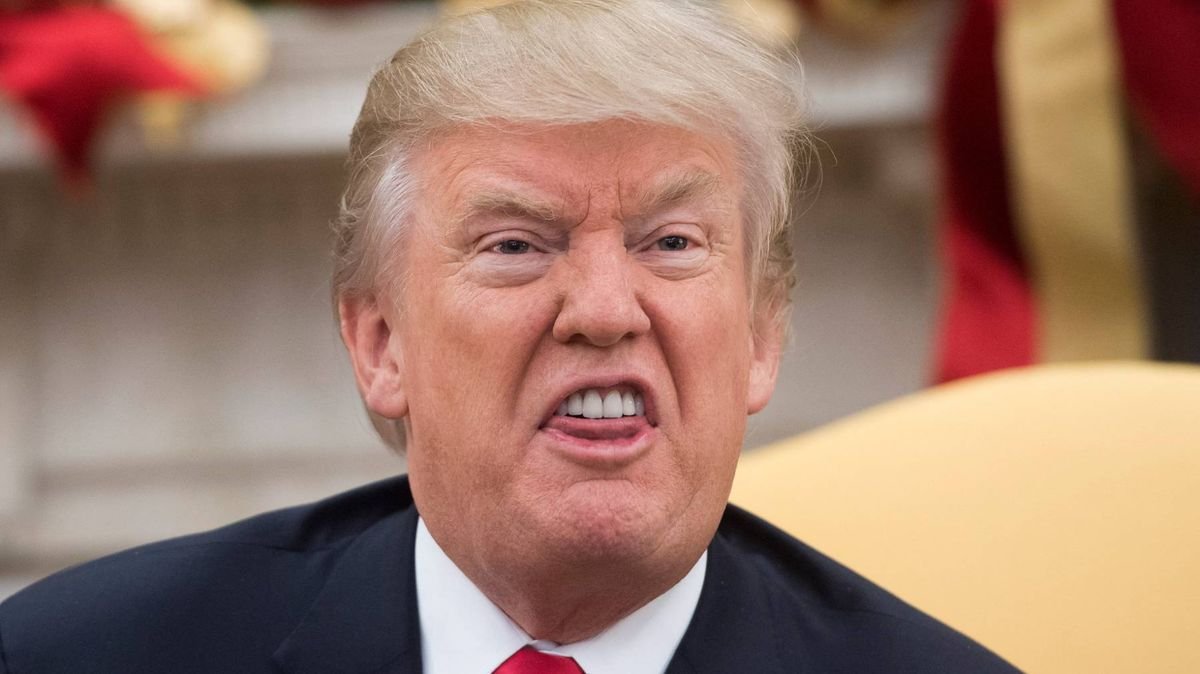

In a recent social media post, President Donald Trump stirred controversy with his aggressive language and provocative threats. The post, filled with profanity and mockery, raised concerns about his leadership style and demeanor.
Instead of projecting strength, Trump’s behavior appeared erratic and impulsive, signaling a lack of control over unfolding events. As tensions escalate, Trump finds himself trapped in a precarious situation of his own making, with no clear path forward.
His confrontational approach, characterized by inflammatory rhetoric and escalating threats, has heightened tensions in an already volatile region. The President’s reliance on intimidation tactics and bellicose language reflects a troubling pattern of behavior that undermines diplomatic efforts and destabilizes global relations.
Critics argue that Trump’s actions risk triggering a wider conflict with severe consequences for all involved. The President’s disregard for diplomatic norms and his penchant for brinkmanship have left allies wary and adversaries emboldened.
As the international community watches closely, the urgency for a more measured and strategic approach to foreign policy becomes apparent. Trump’s unpredictable behavior and lack of coherent strategy have raised serious doubts about his ability to navigate complex geopolitical challenges.
The looming question remains: when will America assert its role in steering foreign policy away from impulsive outbursts and towards responsible leadership? The stakes are high, and the need for a more deliberative and principled approach has never been more critical.
The world is witnessing a leader who appears increasingly isolated and erratic, fueling uncertainties and risks that could have far-reaching repercussions. The gravity of the situation demands decisive action and a reevaluation of how America engages with global affairs to avoid catastrophic outcomes.