

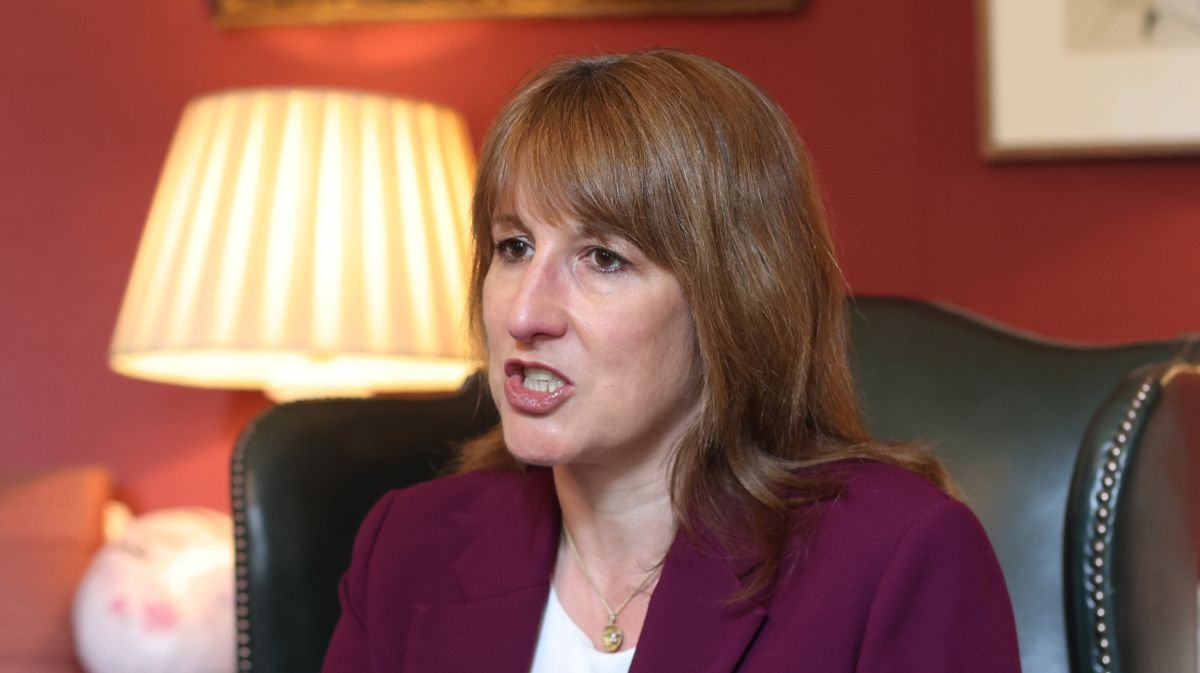

Rachel Reeves criticized the US under Donald Trump for the economic repercussions of the Iran conflict, labeling the lack of a clear exit strategy as a “folly.” Speaking to The Mirror, the Chancellor expressed frustration at the impact on British families with the closure of the Strait of Hormuz leading to a notable increase in gas prices.
A report by the Resolution Foundation warned that the average UK household could face a £480 financial setback in the current fiscal year due to the conflict. Reeves, while not confirming the exact figure, assured that the government would closely monitor gas and electricity prices.
Addressing the situation, Reeves emphasized the need for de-escalation and criticized the US for entering the war without a defined objective or exit plan. She highlighted hosting a conference with President Macron to discuss securing passage through the Strait of Hormuz, steering clear of endorsing the US blockade.
Reeves highlighted concerns over potential energy bill spikes and pledged support for vulnerable households if needed. She differentiated her approach from previous untargeted actions that resulted in adverse economic consequences, emphasizing the importance of targeted support to prevent future financial burdens on the populace.
Regarding the need for an emergency budget amidst the crisis, Reeves stressed that de-escalating the conflict was key to stabilizing energy prices. She underscored the government’s commitment to global efforts in resolving the situation and commended Prime Minister Keir Starmer for his role in international diplomacy.
Reeves’ comments coincided with the announcement of a meeting in Paris co-hosted by Mr. Starmer and President Macron to address the issues in the Strait of Hormuz post-conflict. Additionally, a new Cabinet committee has been established by the Prime Minister to manage the aftermath of the Iran conflict, drawing parallels to committees formed during Brexit and the Covid-19 pandemic responses.