

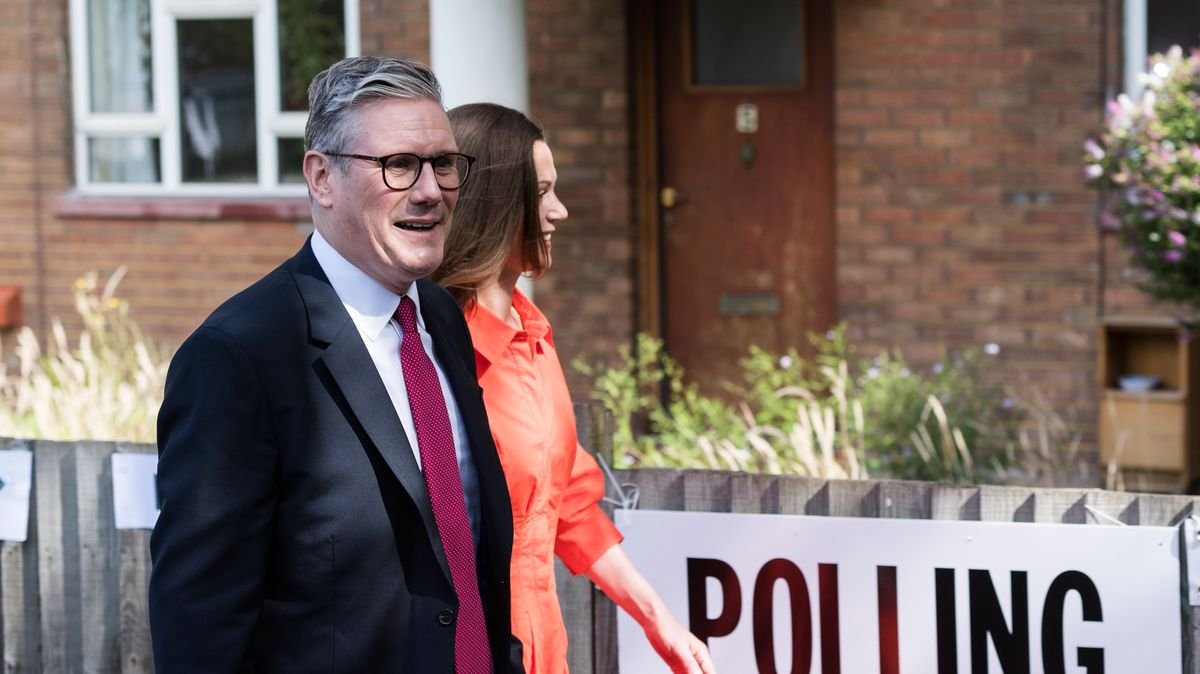

This year’s May elections are particularly significant due to the current landscape of diverse political parties in Scotland, Wales, and England on May 7. The future of Sir Keir Starmer as a potential Prime Minister, the stability of Kemi as a political figure, the growing dissent against Ed Davey, the impact of the Green Party’s momentum, and Nigel Farage’s ability to reverse declining support are all critical questions looming over this election cycle.
Of particular concern is the possibility of the Scottish election results triggering a new referendum, adding further uncertainty to the political landscape. The weakened political allegiances among voters have made it challenging for parties to secure commitments, with many voters undecided on their preferred party due to dissatisfaction with recent messaging and delivery.
Following the elections, party leaders typically highlight their victories and losses. However, this year’s outcomes may be skewed by low voter turnout and narrow margins of victory. The upcoming week marks the beginning of an intensified campaign period, with parties striving to field the most candidates nationwide.
Collaborations between political entities, such as the alliance in the Gorton and Denton by-election, raise questions about potential partnerships and strategies. Recent setbacks faced by parties like Reform underscore the volatile nature of the electoral landscape. As the elections kick off, the survival battle for party leaders will intensify.
Reflecting on progress in societal acceptance, the growth of inclusive rugby clubs like the Kings Cross Steelers symbolizes positive social change. The normalization of diverse identities within communities highlights a broader shift toward inclusivity and acceptance. As individuals strive to be recognized simply as part of the larger community, embracing diversity remains crucial for societal progress.
In terms of environmental concerns, the state of public spaces, such as littered roadsides, underscores the need for improved environmental stewardship. Politicians are urged to address issues like potholes and environmental conservation in their local election campaigns to enhance the quality of public spaces and infrastructure.
The evolving roles of MPs and Lords in legislative processes reflect a shift in parliamentary dynamics. While MPs are often constrained by party affiliations, the Lords play a crucial role in scrutinizing legislation for quality and effectiveness. Calls for reform in the House of Lords highlight the need for MPs to reclaim their role as independent lawmakers for a more effective legislative process.