
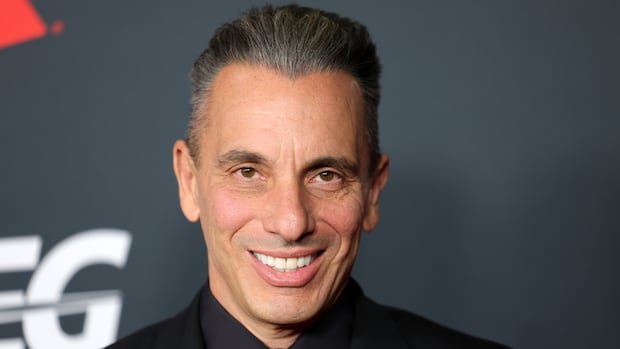

Comedian Liz Miele has recently experienced a significant drop in her earnings, alongside numerous other comedians. SiriusXM discontinued its Raw Comedy/Raw Dog channel, which previously showcased over 800 comedians, and introduced a new channel owned by well-known comedian Sebastian Maniscalco.
This change has left Miele and many other working-class comedians without a crucial source of income and visibility, as established celebrity comics now dominate the platform. Miele shared with host Nil Köksal on As It Happens that SiriusXM was a lifeline for her during a financially challenging period.
While Maniscalco and SiriusXM claim the new channel will offer opportunities for comedians at various career stages, industry group Stand Up for Standup reveals a different reality. Previously, Raw Comedy featured over 800 comedians monthly, each earning $15 in royalties per performance. However, the rebranded channel now only highlights 275 comedians, with the majority of plays going to top artists like Chris Rock and Kevin Hart.
Miele expressed concern over this shift towards a wealth concentration among a select few comedians, emphasizing the adverse impact on the broader comedy community. Without platforms like SiriusXM, emerging comedians may struggle to establish themselves as Maniscalco did.
Canadian comedian Danish Anwar noted a significant decline in his royalties following the channel’s revamp, affecting many colleagues who relied on this income. The removal of opportunities for middle-class comedians to earn through royalties has jeopardized their ability to sustain their careers, with potential implications for those reliant on these earnings for work visas in the U.S.
Despite the backlash, Maniscalco clarified that he was not involved in the decision to end Raw Comedy, attributing the change to SiriusXM’s evaluation of the channel’s performance. He reiterated a commitment to supporting comedians of all levels on his channel.
Anwar remains skeptical about these assurances, emphasizing the importance of tangible support over mere statements. The situation has prompted calls for unity within the comedy industry to address issues of pay, treatment, and labor practices, which have often been neglected.