

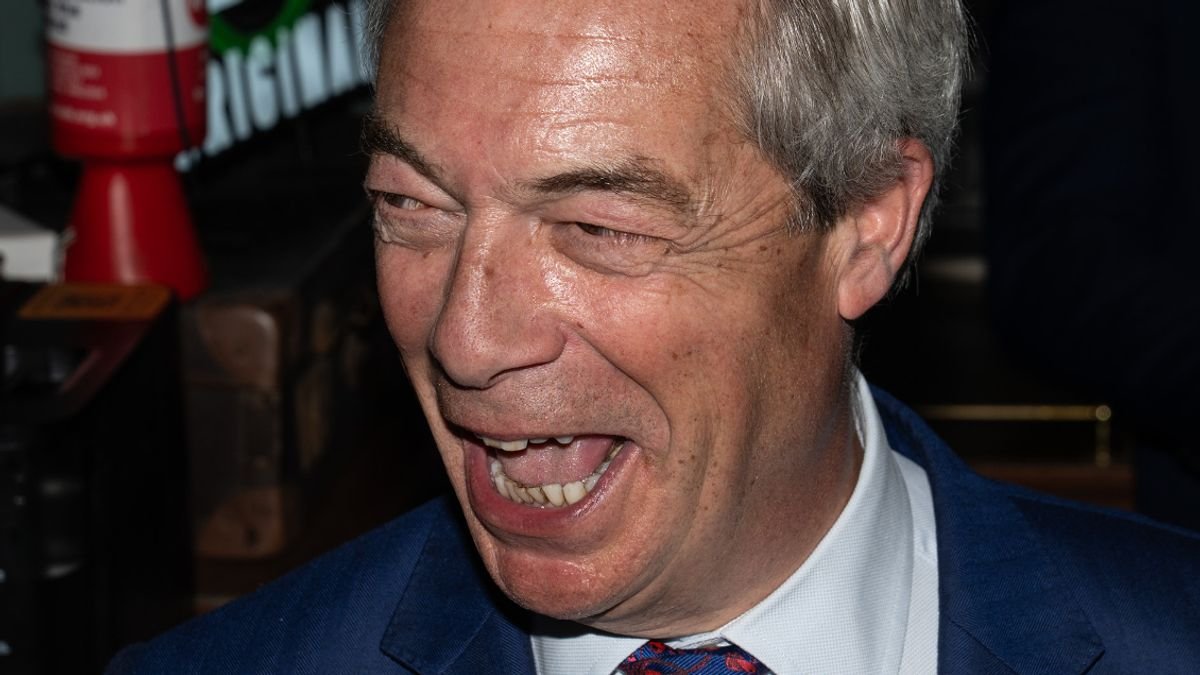

Nigel Farage, following in the footsteps of mentor Donald Trump, is openly profiteering from promoting a cryptocurrency company, Stack BTC, in which he holds shares. The shares he acquired for about £215,000 could potentially skyrocket in value to millions within two years as he actively endorses the company.
Farage’s actions have raised concerns about conflicts of interest, particularly as he leverages his political platform to promote personal financial gains. The Reform party, associated with Farage, has received substantial funding from crypto tycoons supporting policies that would benefit their interests. This includes pledges to reduce taxes on cryptocurrency and deregulate the sector.
The involvement of Farage in such financial dealings has sparked calls for an investigation by the Financial Conduct Authority to determine if it constitutes market abuse. These revelations have shed light on the true nature of the Reform party, portraying it as a vehicle for enriching the wealthy elite rather than representing the interests of the general populace.
The potential implications of Farage’s association with Stack BTC and the Reform party have raised significant alarm, with critics questioning the ethical implications of a serving politician profiting from such ventures. The transparency of Farage’s activities is being scrutinized, as the public becomes increasingly aware of his financial interests and their potential impact on political decision-making.
In a related development, a former critic of the cryptocurrency, Kwasi Kwarteng, is now the chairman of Stack BTC, highlighting the evolving dynamics within the industry. The interconnected relationships between prominent figures and financial interests continue to draw attention and scrutiny from various quarters.
Overall, the intertwining of politics, finance, and cryptocurrency has brought to the forefront complex ethical considerations and potential conflicts of interest that demand thorough investigation and accountability.