

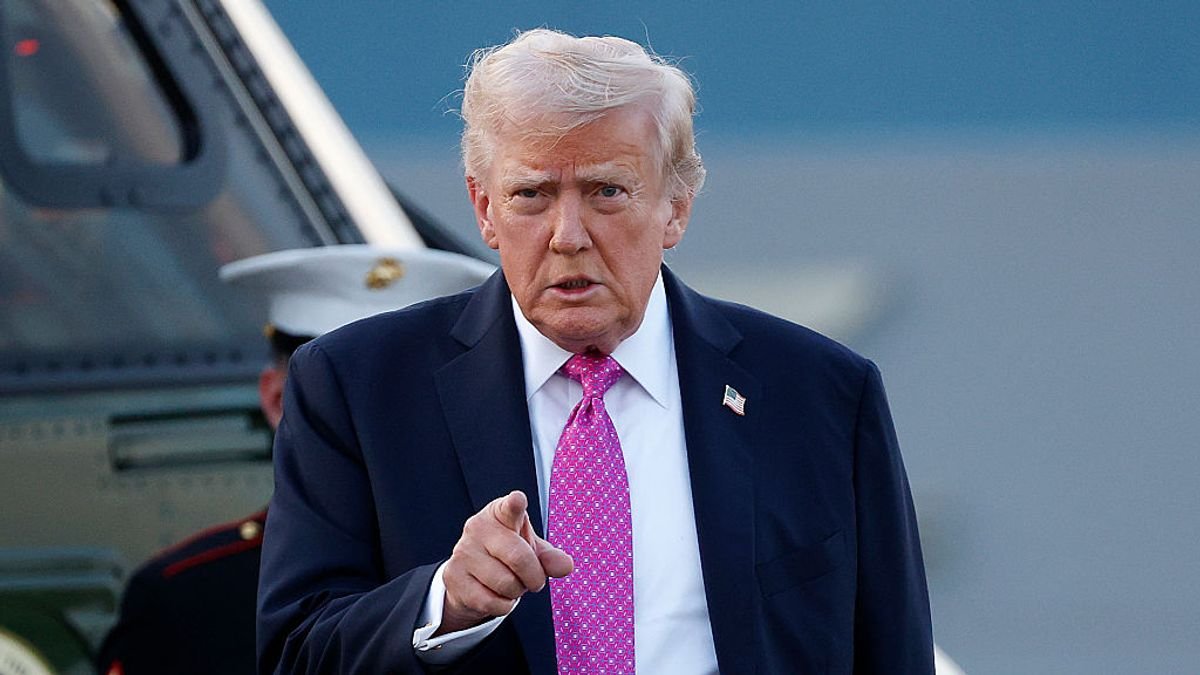

In the early stages of the conflict initiated by US President Donald Trump, concerns arose about its duration and potential long-term consequences. Despite Trump’s assertions of victory and self-sufficiency in military matters, the conflict’s timeline remained uncertain, raising fears of an extended engagement.
Recent developments, marked by Trump’s significant retreat, hint at a possible resolution in US-Iran hostilities. However, skepticism surrounds this claim, especially as Iran maintains its stance of non-engagement with the US, emphasizing a continued air of tension.
Trump’s decision to temporarily withhold aggressive actions against Iran, such as targeting energy infrastructure, signals a shift towards de-escalation. Despite Iran’s belief in its current advantageous position, trust in Trump’s commitments remains a contentious issue, shaping the ongoing dynamics between the involved parties.
While the US and its allies have made military advancements against Iran, crucial challenges persist, particularly concerning the security of the vital Strait of Hormuz. The complexity of the situation hints at a prolonged strategic engagement that demands careful navigation to prevent further escalation.
Drawing parallels to historical military strategies, the current conflict evokes memories of past engagements where initial optimism gave way to prolonged and complex military involvements. The need for a balanced approach to conflict resolution remains paramount to avoid a protracted struggle.
As the Strait of Hormuz crisis looms large, strategic assessments highlight the enduring impact of Iran’s geopolitical positioning in the region. The path to resolving the crisis, whether through diplomatic negotiations or coercive measures, underscores the enduring influence of Iran in shaping global energy dynamics.