

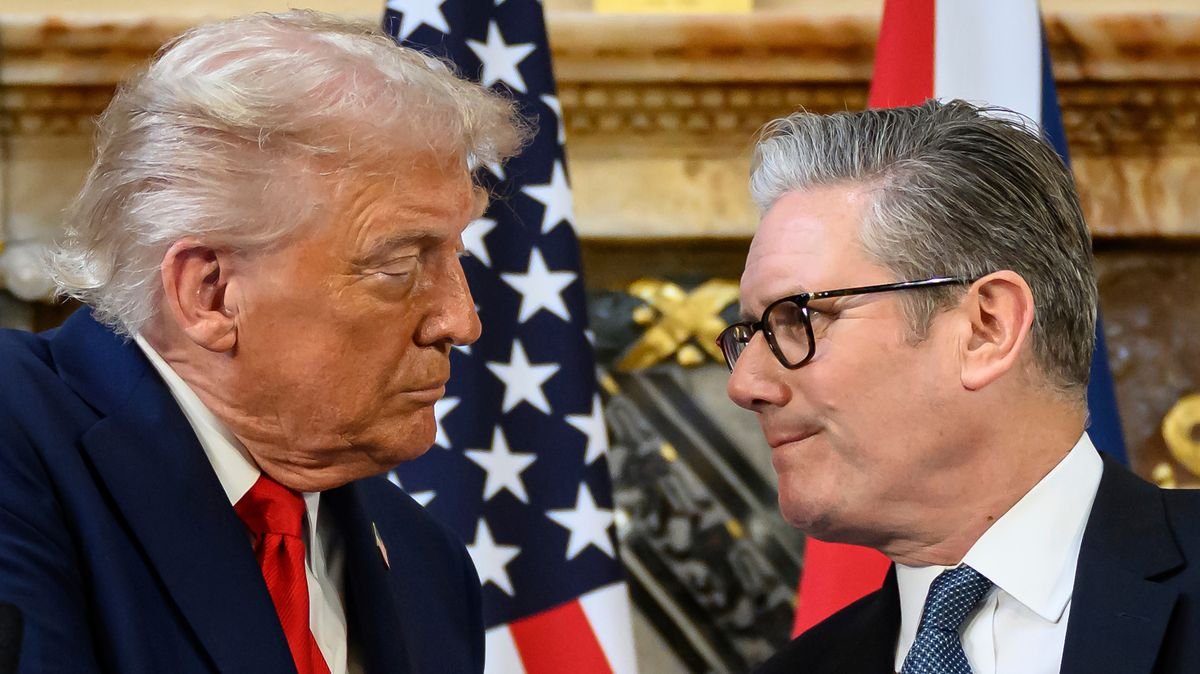

A recent survey reveals that a majority of voters approve of Keir Starmer’s handling of the Iran conflict involving Donald Trump. The survey also evaluated Starmer’s performance on key national issues.
Contrary to the Prime Minister’s declining popularity, Starmer’s recent international engagements have garnered positive feedback from the public. In contrast, Nigel Farage was perceived as likely to mishandle the Iran conflict compared to other party leaders.
A report by the Good Growth Foundation suggests utilizing defense expenditure to bridge the gap between Starmer’s international popularity and domestic challenges. This includes implementing a paid “defense foundation year” for young adults and prioritizing British firms in defense contracts.
Among the issues surveyed, Starmer’s decisions regarding the Iran conflict, his rapport with Trump, and efforts towards EU relations received the strongest support. Notably, a significant portion of respondents believed Starmer made the right choices in responding to the conflict.
While Starmer’s international stance resonated positively, concerns linger regarding his domestic policy decisions. Voters expressed skepticism about his effectiveness in addressing the cost of living crisis, immigration, and the economy, with the NHS ranking fourth in public perception.
The survey indicated that voters view Starmer more favorably on international matters compared to domestic affairs. Nigel Farage was seen as the least preferred choice for handling the Iran conflict, with Kemi Badenoch also receiving mixed reviews.
Louisa Dollimore, Director of Strategy at The Good Growth Foundation, emphasized the need to leverage foreign policy successes for local impact. By enhancing defense initiatives, such as apprenticeships and support for British businesses, the UK can bolster its security and economic resilience.
The poll conducted by GGF Insights sampled 2,006 British adults and highlighted Starmer’s foreign policy achievements. Dollimore advocates for aligning defense strategies with domestic needs to enhance national security and economic stability.