

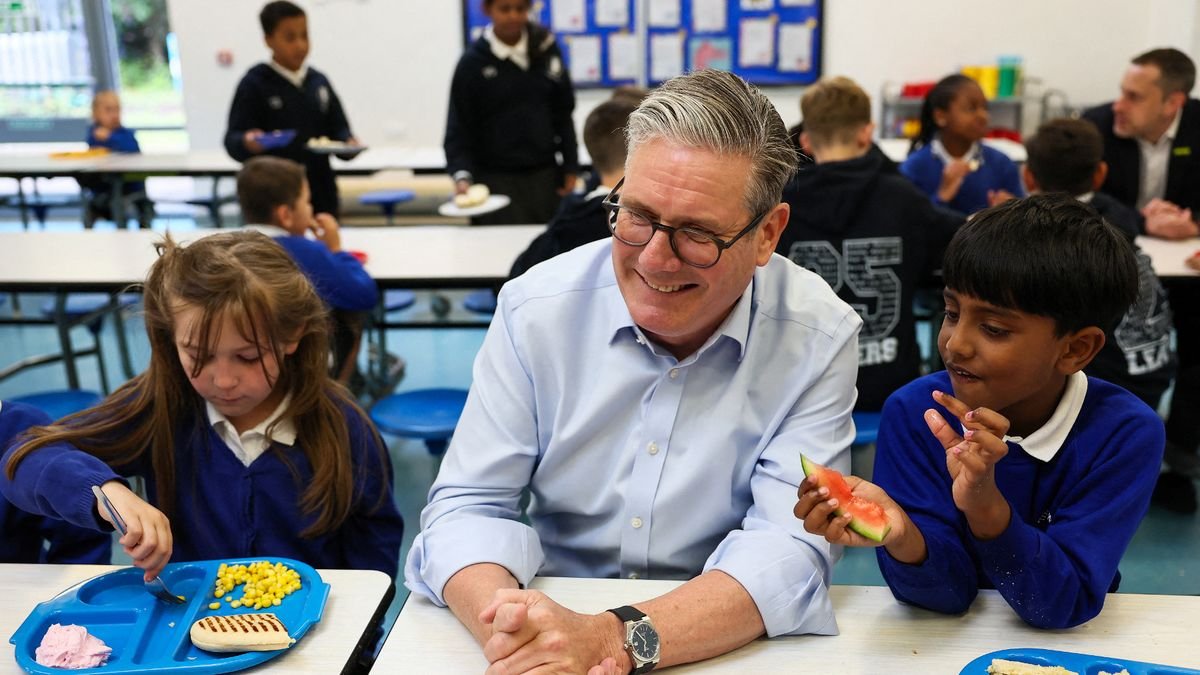

School lunch menus will undergo a transformation as deep-fried and high-sugar foods get banned, and items like sausage rolls, pastries, and pizzas face restrictions. New standards will enforce the removal of high-sugar options such as ice cream and sugary drinks, while desserts like steamed sponge and custard will be limited, requiring puddings to contain at least 50% fruit.
Moreover, schools will be mandated to include higher-fiber whole grains like wholemeal bread and brown rice, along with pulses such as lentils and chickpeas in meals at least once a week. Every main meal must be accompanied by a portion of vegetables or salad, and fruit will replace sugary treats for most of the school week.
The revamped menus will feature nutritious meals like spaghetti bolognese, Mexican burritos, cottage pie with root-veg mash, jerk chicken with rice and peas, and roasted chickpea, vegetable, and mozzarella wrap. These changes mark the first update to School Food Standards in over a decade, with secondary schools given until September 2028 to implement the adjustments, especially focusing on enhancing grab-and-go options.
A nine-week consultation will be launched by the government to gather feedback from parents and children on the healthier alternatives, accompanied by a new national enforcement mechanism to monitor compliance with the revised standards. These standards, developed in collaboration with nutritionists and public health experts, will be applicable to all breakfasts and lunches served in schools and have garnered support from various food campaigners and experts.
These initiatives come as a response to alarming statistics showing that one in three children leave primary school overweight or obese, with tooth decay attributed to high sugar intake being a major cause of hospital admissions among young children. New surveys reveal that 74% of parents express concerns about their child’s nutrition, ranging from excessive sugar and fatty foods to inadequate fruit and vegetable consumption.
Efforts to improve school meals have been long advocated, with the government extending free lunches to all children from households receiving Universal Credit starting September 2026. Education Secretary Bridget Phillipson emphasized the importance of providing nutritious and appealing meals to help children concentrate, learn effectively, and thrive academically.
Henry Dimbleby, a prominent figure in food policy, highlighted the opportunity to reset school food standards by ensuring wider access to free school meals and upholding higher quality standards with diligent monitoring. The success of these initiatives hinges on the government’s commitment to the proposed timeline and the support provided to schools and caterers for effective implementation.