

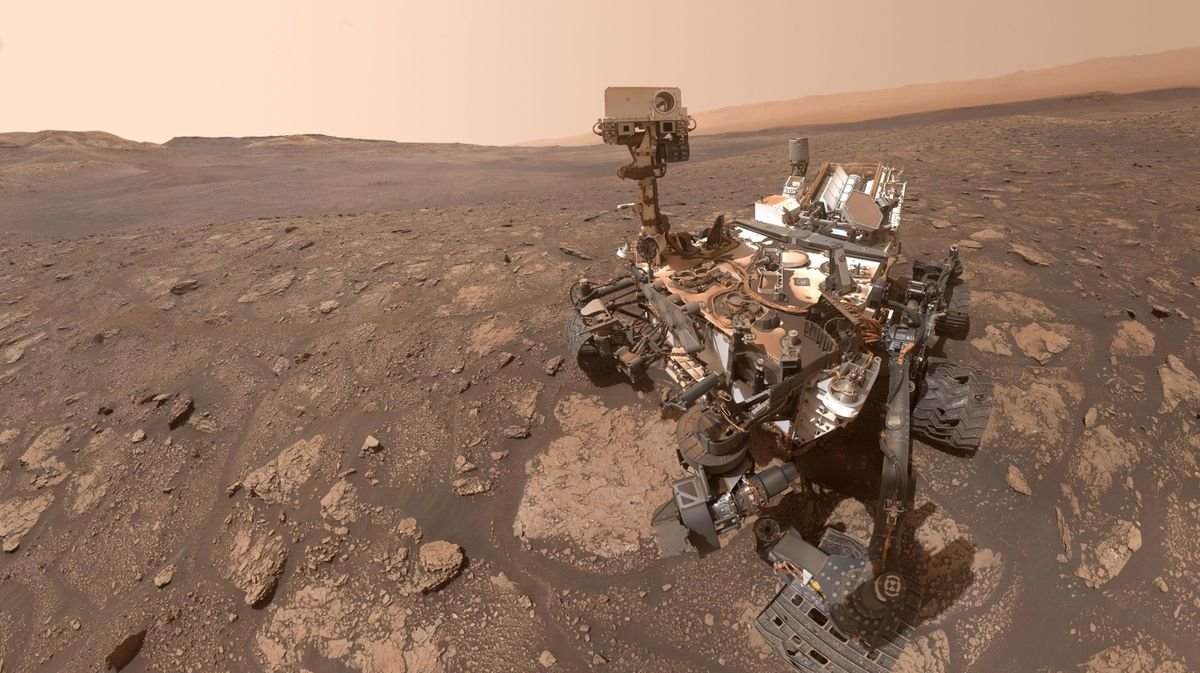

NASA’s Mars Curiosity rover has made a groundbreaking discovery, revealing never-before-seen organic compounds that could provide strong evidence of past life on the red planet. The robot found a diverse array of organic molecules, some of which are considered essential building blocks for life’s origins on Earth. This revelation, stemming from a unique chemical experiment conducted on Mars for the first time, indicates that the Martian surface has the capability to preserve molecules that might indicate ancient life.
Despite this significant finding, NASA’s efforts to obtain more crucial samples have been hindered by a funding shortfall, which the Trump administration plans to exacerbate. The cancellation of the Mars Sample Return (MSR) program in January dealt a blow to scientists’ hopes of definitively identifying signs of past life by analyzing rock samples on Earth.
The recent budget cuts proposed by the Trump administration threaten NASA’s missions and projects, including a 23% reduction in funding. While the latest experiment cannot conclusively differentiate between organic compounds of potential past life and those formed through geological processes or meteorite delivery, it underscores the importance of continuing such programs to explore the possibility of life beyond Earth.
The discovery of over 20 chemicals, including a nitrogen-bearing molecule similar to DNA precursors and benzothiophene, a compound often carried by meteorites, highlights the significance of these findings. These compounds, observed in the Glen Torridon region of the Gale crater where Curiosity Mars rover landed in 2012, suggest a history of water in the area, crucial for preserving organic compounds.
The experiment, conducted by the Sample Analysis at Mars (SAM) instrument suite, utilized a chemical called TMAH to break down large organic molecules for analysis. The successful results, published in Nature Communications, pave the way for future missions like the Rosalind Franklin mission to Mars and the Dragonfly expedition to Titan, where similar tests will be conducted to search for organic compounds.
Professor Amy Williams, a key figure in the experiments, emphasized the significance of the discovery, stating that the presence of ancient organic matter on Mars for billions of years indicates the planet’s habitability potential. These findings underscore the importance of further exploration and research to uncover more evidence of potential life beyond Earth’s boundaries.