

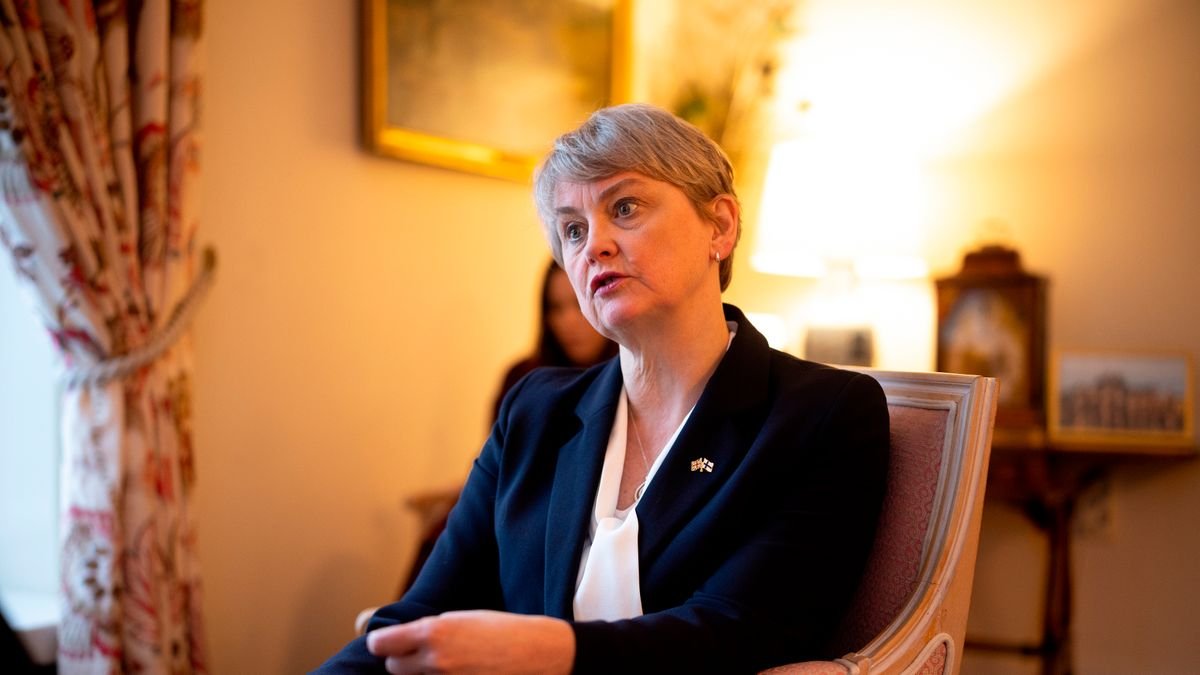

Yvette Cooper is set to announce a commitment to focusing on conflict zones amid significant cuts to the overseas aid budget. The government plans to reduce the overseas development budget to 0.3% of GDP by 2027 to boost defense spending, a decision that has faced criticism for its potential impact on lives and the country’s long-term interests.
As part of the funding reallocation, around £6.1 billion will be withdrawn from various projects. Cooper revealed that 70% of geographic support will be directed towards fragile and conflict-affected states like Gaza, Ukraine, and Sudan. Additionally, £24 million annually will be reserved for initiatives addressing the root causes of illegal migration.
In response to the ongoing conflicts worldwide, Cooper emphasized the importance of maintaining aid to countries like Ukraine, Sudan, Palestine, and Lebanon. She stressed the need to refocus aid investments to maximize impact in addressing humanitarian crises, preventing conflicts, and upholding international law. Cooper highlighted that such efforts are not only aligned with Britain’s values but are also crucial for national interests in an interconnected global landscape.
The decision to reduce overseas aid, initially announced by Keir Starmer last year, triggered significant backlash. Former International Development Minister Anneliese Dodds resigned in protest, cautioning that the cuts would deprive vulnerable populations of essential support. Critics argue that cutting aid from the current 0.5% of GDP could diminish the UK’s soft power and international influence, as it was at 0.7% during Tony Blair’s tenure.
Various voices, including former International Development Minister Gareth Thomas and Romilly Greenhill from Bond, have expressed concerns about the repercussions of the aid cuts on global reputation and humanitarian efforts. Greenhill warned that inadequate funding could result in loss of lives, increased vulnerability to crises, and setbacks in progress towards a safer world.
Despite the reduction in aid spending, the UK remains committed to addressing global challenges effectively. Cooper emphasized the continuation of investments in global health, climate action, and women’s rights. The government aims to shift its focus from being a donor to becoming an investor, with sustained support for initiatives like Education Cannot Wait and expanded partnerships with organizations like the HALO Trust and Mines Advisory Group.
International Development Minister Jenny Chapman reiterated the government’s commitment to addressing global issues despite lower aid expenditure, emphasizing the importance of combating hunger, disease, insecurity, and conflict. Last year, the Prime Minister justified the aid cuts to boost defense spending, a move that prompted strong criticism and concerns about the impact on vulnerable populations and the UK’s global standing.