

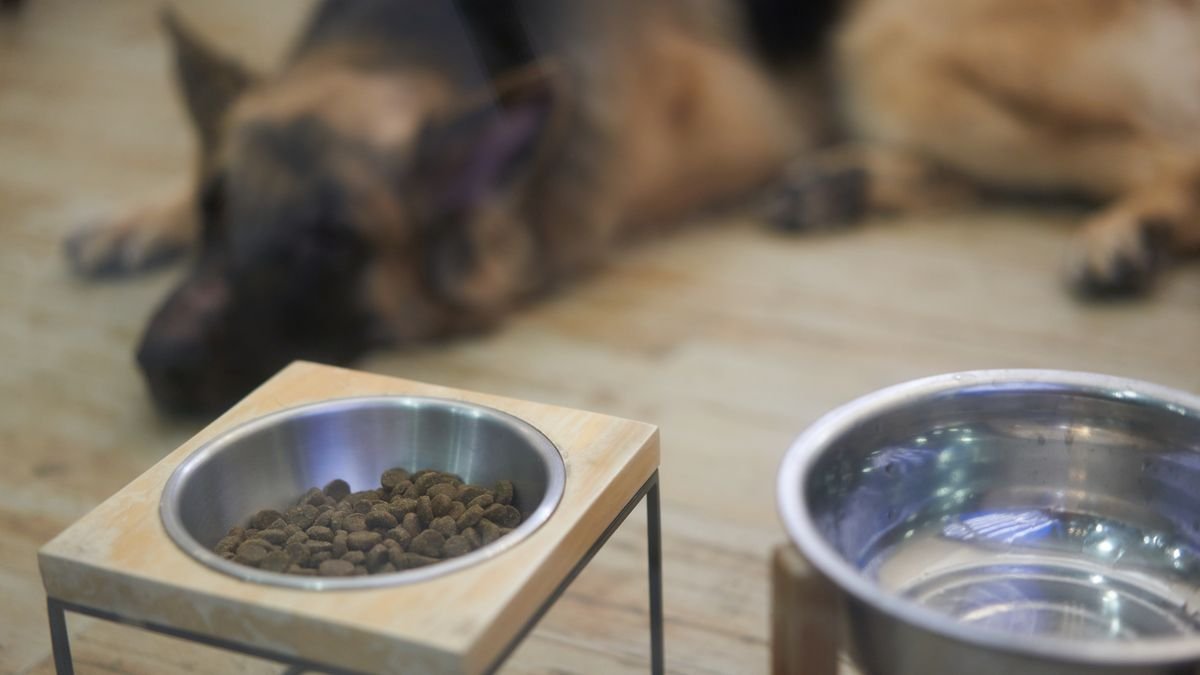

A veterinarian advises pet owners to perform a quick daily task that takes only 30 seconds to help prevent a serious kidney disease in dogs and to steer clear of shared water bowls. Dr. Emma Chandley, affiliated with pet insurance brand Petgevity, emphasizes the importance of washing your dog’s bowl daily to prevent the buildup of harmful bacteria known as ‘biofilm,’ which may endanger your dog’s health.
Despite the appearance of cleanliness, many owners overlook the necessity of cleaning water bowls. Dr. Emma highlights the rapid formation of biofilm if the bowl is not adequately cleaned or only lightly rinsed, underscoring the potential health risks it poses to dogs.
Especially as warmer weather prompts pet owners to visit pubs and restaurants, Dr. Emma cautions against using communal water bowls, emphasizing the need for individualized, clean bowls for each dog. Regular cleaning with hot soapy water, thorough scrubbing for around 30 seconds, and complete removal of residue are essential steps to maintain a hygienic water bowl.
Dr. Emma explains that stagnant water bowls can harbor harmful bacteria and environmental contaminants, potentially leading to gastrointestinal issues or, in severe cases, kidney infections. She stresses the importance of early detection of Chronic Kidney Disease (CKD) since symptoms may not be immediately evident. Increased thirst, urination, weight loss, and changes in behavior can be subtle signs of CKD progression.
Certain pre-existing conditions such as chronic kidney infections, dental disease, hypertension, and age can increase a dog’s vulnerability to CKD. Dr. Emma recommends checking pet insurance coverage for pre-existing conditions as part of proactive healthcare measures.
Managing CKD typically involves a tailored treatment plan, including a specialized renal diet and medications to support kidney function. Although CKD is irreversible, appropriate monitoring and treatment can help maintain a dog’s quality of life. Regular cleaning of water bowls is emphasized as a simple yet crucial hygiene practice to reduce indirect health risks and ensure overall wellbeing.