

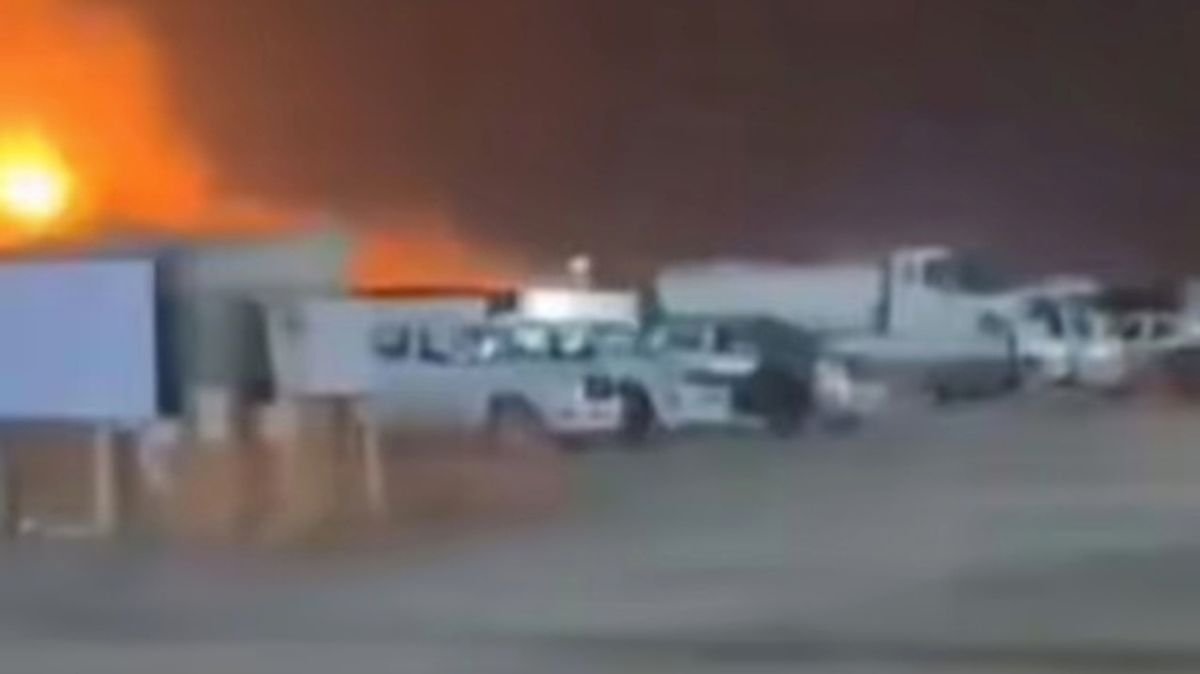

US-Israeli airstrikes have targeted Iranian facilities at a significant gas reserve, while Iran retaliated by attacking a major gas facility in Qatar, escalating tensions between the two sides.
Israeli Defence Minister Israel Katz pledged “significant surprises” following the death of Iran’s intelligence minister, Esmail Khatib, in a recent strike. Israel had also eliminated top Iranian security official Ali Larijani and Gen. Gholam Reza Soleimani of the paramilitary Revolutionary Guard’s Basij force.
Iran responded by launching missile strikes on Israel, resulting in casualties near Tel Aviv. Additionally, Iran targeted Saudi Arabia’s Eastern Province, Kuwait, Bahrain, and the United Arab Emirates.
The US was reportedly aware of Israel’s operation to strike Iran’s South Pars natural gas field, which supplies a majority of Iran’s domestic natural gas and is known as the world’s largest gas reserve.
Iran’s President Masoud Pezeshkian condemned the South Pars attack, warning of potential global repercussions.
Subsequently, Iranian missiles hit a major natural gas facility in Qatar, causing a fire that inflicted extensive damage before being extinguished. Stock prices in London closed lower, and international oil prices surged by 5% to over $108 per barrel, with Brent crude prices up nearly 50% since the conflict began.
British Defence Minister Al Carns highlighted the heightened threats from Russia and the Middle East, emphasizing the precarious global situation. European military officials expressed growing concerns about the crisis, particularly regarding demands for involvement in the Strait of Hormuz.
US bombers have initiated attacks on Iran using high-penetration ‘bunker buster’ bombs, capable of targeting structures up to 100ft underground.