

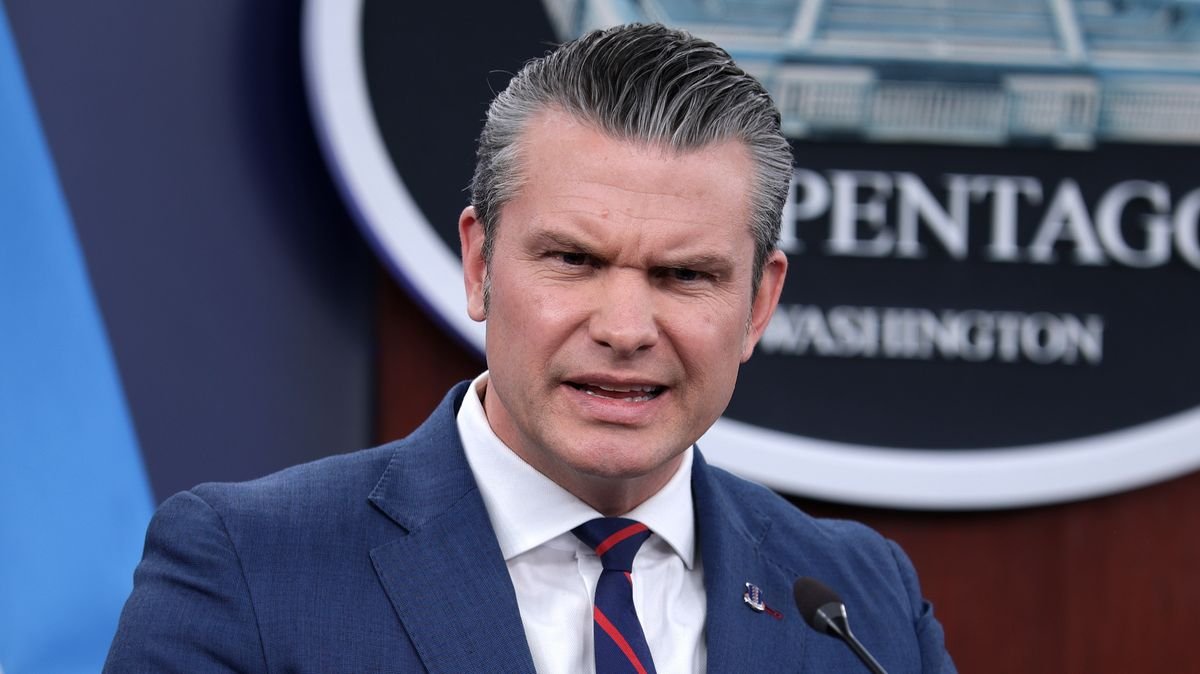

The Defence Secretary, Pete Hegseth, has requested an additional £150 billion from US taxpayers for Donald Trump’s Iran War, amid dwindling support for the conflict and rising petrol prices in the country. Concerns are growing over the economic impact of the war on everyday Americans, with gas prices surging and living costs escalating contrary to earlier promises.
The Pentagon’s funding appeal coincides with Trump’s contemplation of deploying more troops to the Middle East, particularly to secure the volatile Strait of Hormuz amidst ongoing attacks. Recent data shows that in the initial phase of Operation Epic Fury, America spent approximately £2.9 billion, with costs reaching £700 million per day in the first 100 hours and escalating to £8.7 billion in the first week.
While the Pentagon has urged the White House to seek funding approval from Congress, uncertainty looms over whether the request will be granted, as lawmakers were not consulted on the war. Democrats and some Republicans, including Rand Paul, have expressed opposition to the war effort, raising doubts about securing the necessary votes to avoid a filibuster.
Amidst these developments, the Trump administration is considering sending additional troops to the Middle East to broaden military options as the conflict progresses. Potential missions include securing oil tanker routes through the Strait of Hormuz and possibly deploying forces to strategic locations in Iran, such as Kharg Island, which plays a crucial role in the country’s oil exports.
Despite ongoing discussions about various military strategies, no immediate deployment plans have been confirmed. Trump’s administration aims to achieve specific objectives under Operation Epic Fury, focusing on dismantling Iran’s military capabilities, securing the region, and preventing Tehran from obtaining nuclear weapons.
As the conflict unfolds, US forces continue to target Iran’s navy, missile stockpiles, and defence infrastructure, with over 7,800 strikes conducted since the war’s commencement. Trump’s objectives extend beyond military degradation to broader strategic goals, including safeguarding key waterways and preventing nuclear proliferation in the region.