


One out of every four blood donors possesses a unique blood type that can provide vital assistance to critically ill infants, according to the NHS. Some individuals have blood that is suitable for neonatal donation because it lacks a benign virus commonly found in most adults. However, for premature newborns with underdeveloped immune systems, this virus can be life-threatening.
NHS Blood and Transplant reports that 200,000 out of 800,000 regular blood donors have blood labeled as “NEO,” although many are unaware that their donation could potentially save the lives of the smallest patients. Weekly, hospitals in England require approximately 500 units of red blood cells suitable for newborns, emphasizing the need for more individuals to register as donors to help individuals of all ages.
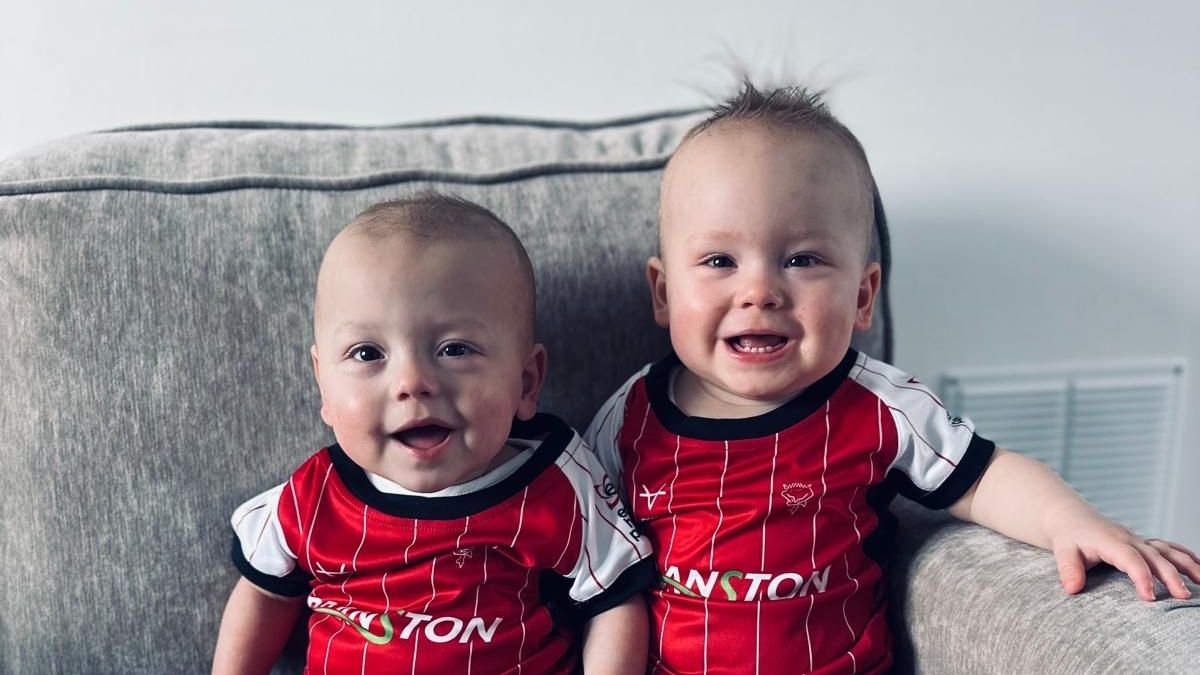
Two-year-old Joey Thacker’s survival is attributed to NEO blood. Joey and his twin Eva were admitted to neonatal intensive care at 27 weeks old. Following emergency surgery for a bowel perforation at two days old, Joey experienced septic shock and urgently needed a blood transfusion to survive.
Joey’s mother, Meghan Lusby, expressed gratitude, stating that Joey’s life was saved not only by the medical staff but also by blood donors. The Mirror initiated the Give a Pint, Save a Life campaign due to ongoing blood shortages, highlighting that a single donation can save up to three adults or six infants.
Donors with blood lacking cytomegalovirus (CMV) receive a blue “NEO” tag. It is vital for newborns to receive CMV-free blood, as the virus, although usually harmless in adults, can be fatal to infants with undeveloped immune systems. Director of blood supply at NHS Blood and Transplant, Gerry Gogarty, emphasized the impact of donors in saving lives, especially for the most vulnerable patients.
Joey spent eight months at Nottingham’s Queen’s Medical Centre, receiving additional blood transfusions that aided in his recovery from surgeries and stabilization of his blood pressure. Despite facing challenges like cerebral palsy and short bowel syndrome, Joey’s progress has surpassed expectations, with his parents describing him as a curious child who loves football.
Meghan, a blood donor herself, shared her emotional connection to blood donation after learning that her donations were suitable for newborns. Similarly, donor Katie Parker discovered that her donations could help transfuse newborns, a revelation that struck a personal chord as blood transfusions had saved her stepsister’s life.
With the upcoming Easter and May bank holiday, there is a pressing need for more B negative, O negative, Ro, and Black heritage donors. During holiday periods, blood stocks tend to decline as people focus on spending time with family. Gerry Gogarty reiterated the importance of new donors in sustaining the blood supply for patients of all ages, encouraging individuals to register and save lives through blood donation.
If a blood donation is allocated to a neonatal patient, it undergoes rigorous testing to ensure its suitability. Prospective donors are urged to register through the GiveBloodNHS app or the official blood donation website. The ongoing support of donors is crucial, especially during holiday periods, to meet the demand for lifesaving blood transfusions.