


British workers with low incomes are set to receive a boost in their pay as the new National Living Wage, announced in the November 2025 budget, will come into effect on April 1.
Starting in April, the National Living Wage will rise by 4.1% to £12.71 per hour for employees aged 21 and above, resulting in an increase of £900 per year for a full-time worker at that rate. This increase is expected to benefit around 2.4 million workers with lower wages.
About 2.7 million workers will see a 4% pay increase this year due to the rise in both the National Living Wage and National Minimum Wage. This adjustment means that full-time workers on the National Living Wage will receive an additional £900 annually, while those on the 18-20 National Minimum Wage will get a £1,500 raise.
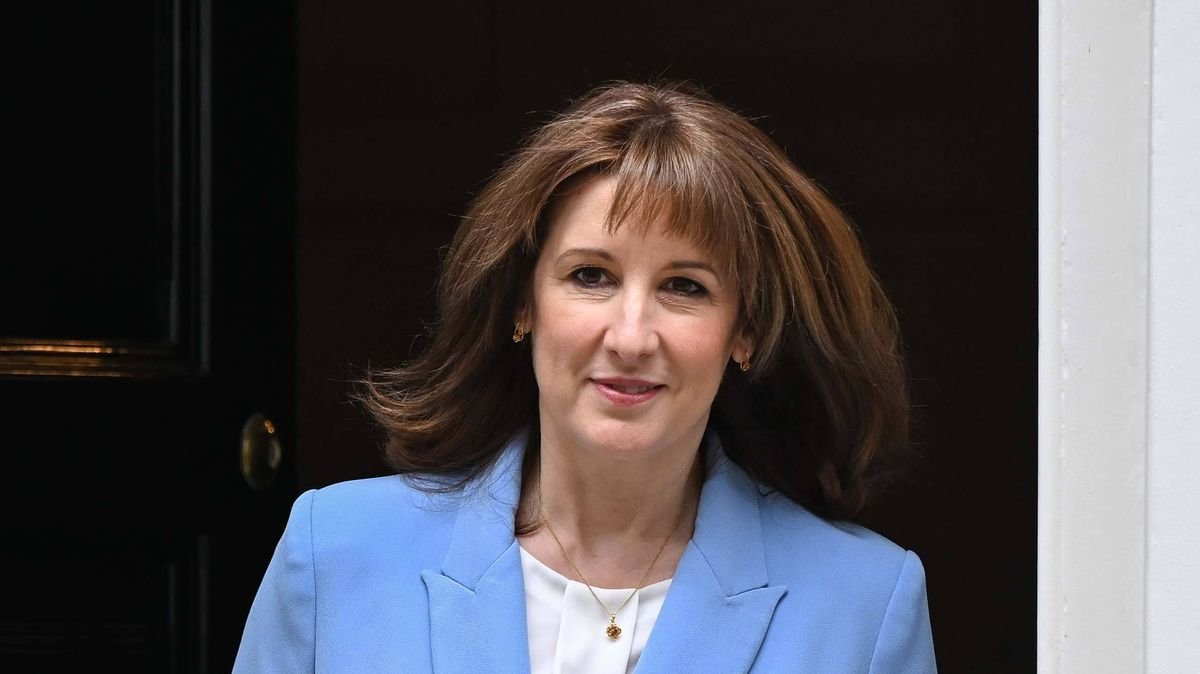
Rachel Reeves, the Chancellor, has endorsed the recommendations from the Low Pay Commission to ensure fair compensation for individuals with lower incomes, as outlined in last year’s budget.
The National Minimum Wage for 18 to 20-year-olds will go up by 8.5% to £10.85 per hour, narrowing the gap with the National Living Wage.
This increase will result in an extra £1,500 per year for a full-time worker, aligning with the government’s goal of simplifying wage bands for 18 to 20-year-olds and establishing a unified adult rate. The National Minimum Wage for 16 to 17-year-olds and apprentices will also see a 6% surge to £8 per hour.
Addressing the public, the Chancellor acknowledged the ongoing concern about the cost of living for workers and emphasized the need to adequately reward those with lower incomes for their hard work.
Nevertheless, the hospitality sector has expressed apprehension regarding the impact of these minimum wage increases, alongside heightened national insurance contributions, on business closures and job losses. Kate Nicholls, chair of UKHospitality, emphasized the challenges faced by hospitality businesses in managing additional costs and called for tax relief to alleviate the burden imposed by the wage increments.
She highlighted the strain on businesses in absorbing escalating costs and warned that these expenses would likely be passed on to consumers, potentially fueling inflation.
At Reach and within our network, we and our partners utilize data collected through cookies and other identifiers on your device to enhance the browsing experience, analyze usage patterns, and display personalized ads. You have the option to opt out of data sharing or selling by clicking the “Do Not Sell or Share my Data” button on our website. Please be aware that your preferences are specific to your browser. By using our services, you agree to the use of cookies and consent to our Privacy Notice and Terms and Conditions.