


The UK Foreign, Commonwealth and Development Office (FCDO) has released updated travel guidance for 31 countries in response to ongoing conflicts in the Middle East.
Recent Israeli and US military actions against Iran have resulted in significant repercussions, including the grounding of numerous flights, casualties exceeding 2,000, and the closure of airspaces and sea routes.
The FCDO has issued multiple alerts and recommendations for British travelers heading to or already present in affected nations. The most recent advisory, covering 31 countries, was issued earlier today.
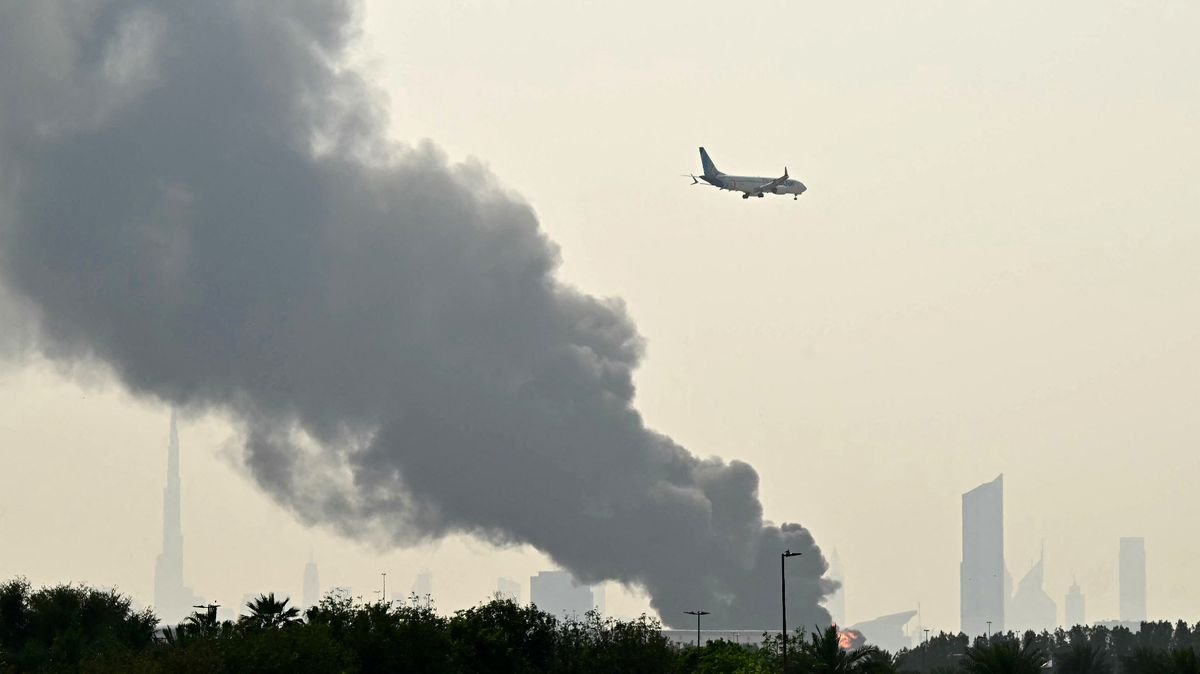
“Escalations in the Middle East have led to extensive travel disruptions, such as airspace closures and flight delays or cancellations. Your travel arrangements could be impacted, even if your destination is not within the Middle East,” states the guidance.
UK passport holders are advised by the FCDO to:
In the midst of the conflict, Iran has experienced a significant toll, with over 1,300 fatalities reported. Israeli strikes on the Iranian-backed Hezbollah group in Lebanon have displaced around 1 million individuals, with over 1,000 casualties. Additionally, Israel claims to have eliminated more than 500 Hezbollah members.
In Israel, Iranian missile attacks have resulted in the deaths of 15 individuals. Four casualties were also reported in the occupied West Bank due to Iranian strikes, along with the loss of at least 13 US military personnel.
Iran recently carried out executions on three individuals detained during January’s nationwide protests, marking the first known instances of such sentences being executed.
Amid the conflict’s three-week duration, Iran has intensified attacks on oil and natural gas facilities across the Gulf region. These strikes, retaliating against an Israeli assault on a key Iranian gas field, have led to a surge in fuel prices and increased the risk of drawing Iran’s Arab neighbors directly into the conflict. The targeting of energy production has further strained global supplies, compounded by Iran’s control over the strategic waterway, the Strait of Hormuz.
Since the war commenced on Feb. 28, top Iranian leaders have been eliminated in airstrikes, significantly depleting the country’s military capabilities. Despite these losses, Iran, now under the leadership of the son of the slain supreme leader, maintains the ability to carry out missile and drone attacks that unsettle Gulf Arab nations and impact the global economy reliant on their energy resources.