

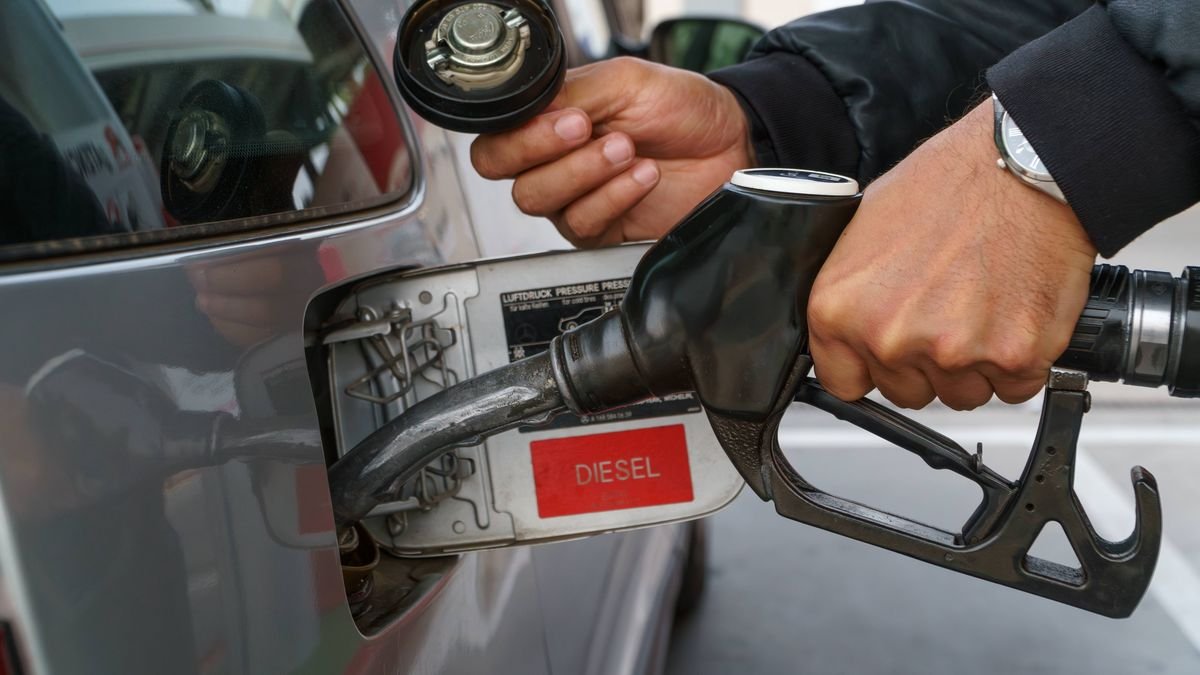

In the realm of geopolitics, two weeks can bring significant changes, and recent events have had a profound impact on the global economy. The initiation of US and Israeli strikes on Iran in late February led to a sudden surge in oil prices, disrupting the relatively stable and affordable fuel situation enjoyed by UK motorists. As a consequence, fuel prices at the pumps rose swiftly, with diesel costs escalating at a faster pace than petrol.
According to the RAC’s latest report on Wednesday, diesel prices surged by almost 9% since the onset of the conflict, while petrol prices saw an average increase of 6%. This translated to an extra 7p per liter for petrol and a notable 16p per liter hike for diesel during the same period.
Simon Williams, the RAC’s head of policy, emphasized the importance of ensuring fair pricing for consumers at fuel stations, given the significant impact fuel expenses have on the overall cost of motoring. The data from RAC’s fuel watch revealed a rapid escalation in average fuel prices, with petrol reaching 140p per liter and diesel soaring to 158p per liter, resulting in an additional £4 and £8 expense for filling up a family car.
With oil prices hovering around $100 per barrel, the outlook for motorists in the UK and globally hinges on resolving tensions arising from the ongoing conflict. There is mounting pressure on Chancellor Rachel Reeves to reconsider the planned gradual removal of a 5p fuel duty reduction, starting with a 1p increase scheduled for September this year.
The AA’s president, Edmund King, highlighted the adverse impact of heightened oil prices on inflation, particularly with the sharp rise in diesel costs. King urged the Chancellor to postpone the reintroduction of the fuel duty discount to alleviate financial strain on households facing increased prices across various goods and services.
In response to the escalating fuel prices, Prime Minister Keir Starmer assured that the government is closely monitoring the situation amidst the Middle East conflict. Experts like Steven Greenall and Rohit Parmar-Mistry explained the complexities behind diesel price increases, citing factors such as refining costs, market dynamics, and geopolitical influences.
The Competition and Markets Authority (CMA) announced intensified scrutiny of petrol and diesel prices in light of the conflict, urging fuel retailers to provide detailed data on revenue, costs, and sales. The CMA will closely monitor fuel profit margins and price fluctuations to ensure transparency and fair pricing practices in the fuel industry.
As the energy crisis unfolds, the CMA emphasized the need for genuine cost reflections in fuel price adjustments and pledged to monitor and address any concerning behavior in the market. Juliette Enser, the CMA’s executive director for markets, underscored the importance of fair pricing practices and committed to thorough reporting on fuel price developments to safeguard consumer interests.