

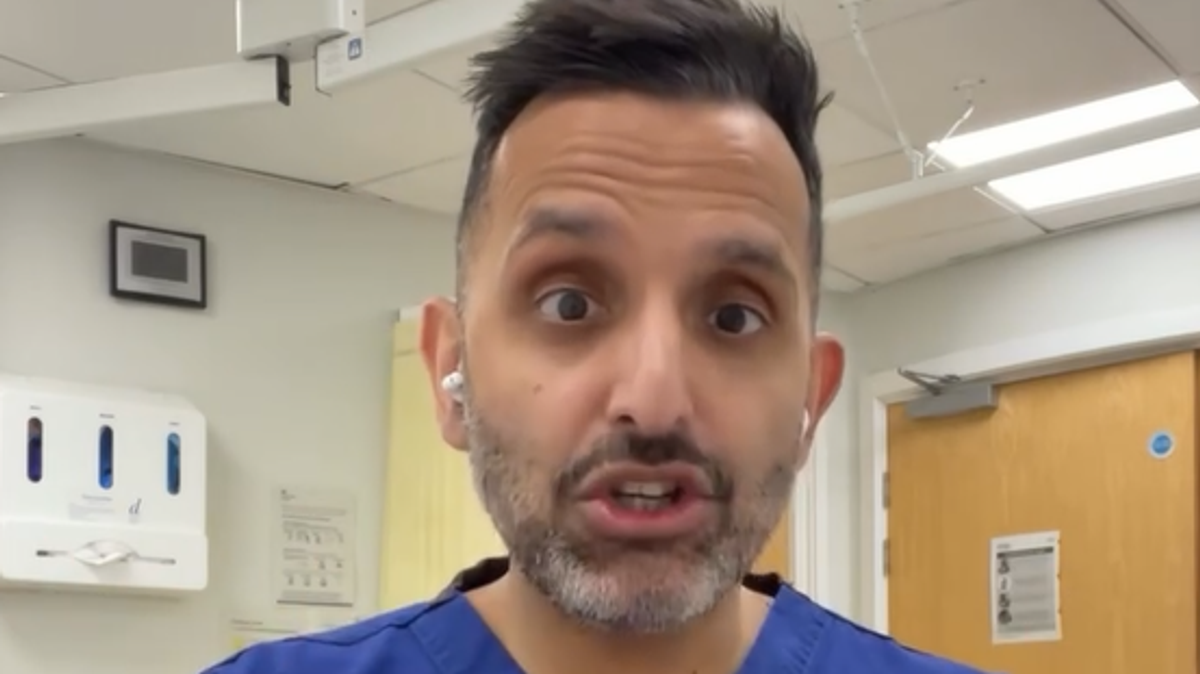

A medical expert from television has drawn attention to a concerning increase in individuals experiencing liver problems, which is not solely attributed to alcohol consumption. Dr. Amir Khan, known for his appearances on ITV’s This Morning and Lorraine, recently discussed on Instagram that his clinic is observing a rise in liver issues primarily due to dietary factors.
Dr. Khan pointed out that a significant number of people are being diagnosed with non-alcoholic fatty liver disease, with the main culprit being sugar intake rather than fats. He explained the link between excessive consumption of sugary snacks and refined carbohydrates, like crisps, and the development of the condition. According to him, the constant elevation of blood sugar levels triggers insulin release, leading to insulin resistance when the body fails to respond effectively to insulin due to prolonged high sugar intake.
The liver plays a crucial role in this process as it converts excess sugar into fat through de novo lipogenesis, a mechanism that contributes to the accumulation of fat within liver cells, potentially leading to inflammation and damage associated with non-alcoholic fatty liver disease. Dr. Khan reassured individuals diagnosed with this condition that it is reversible through lifestyle modifications.
He recommended losing 5-10% body weight, engaging in daily physical activity, reducing intake of added sugars and ultra-processed carbohydrates, emphasizing whole foods rich in fiber, protein, and healthy fats, moderating alcohol consumption to alleviate pressure on the liver, and prioritizing quality sleep to manage insulin resistance.
The NHS echoes the importance of healthy lifestyle changes in managing non-alcoholic fatty liver disease, a prevalent condition often linked to obesity and typically asymptomatic, making it essential for individuals to undergo screenings for early detection. More information on this condition is available on the NHS website.