


Global tensions have erupted amid escalating disputes involving Iran, the US, and Israel. Military actions have spread across the Middle East, leading to widespread airspace restrictions as hostilities escalate. Thousands of British travelers are stranded globally due to airport closures and grounded flights.
Despite Prime Minister Keir Starmer ruling out British participation in aerial operations, the UK remains involved in defensive efforts to protect regional allies from potential retaliatory attacks. Concerns have arisen regarding Iran targeting British interests, prompting the deployment of warship HMS Dragon and helicopters equipped with counter-drone technology to Cyprus after a drone strike on a UK airbase.
In a statement, Mr. Starmer emphasized the UK’s commitment to Cyprus’s security and British military personnel stationed there. The UK continues defensive operations, with HMS Dragon set to be stationed in the region. The Prime Minister assured that actions taken will prioritize the UK and its allies’ interests.
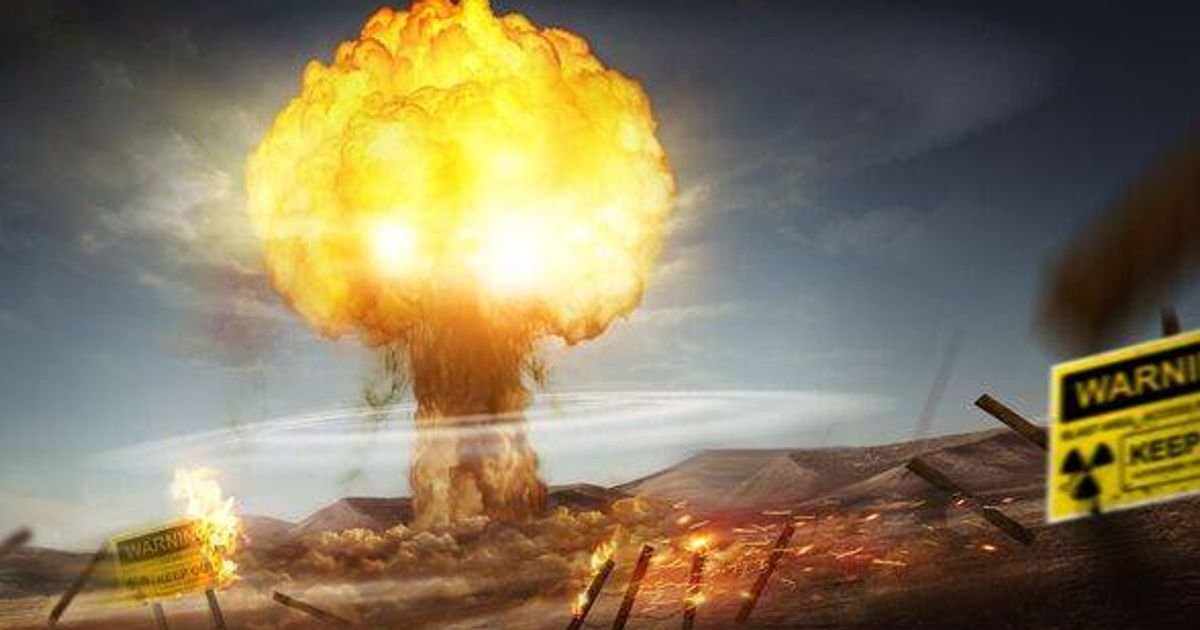
The International Commission on Radiological Protection advises seeking shelter in the center of a building or a basement before, during, and after a nuclear blast. The effectiveness of the London Underground as a protective measure is debated, with experts suggesting that modern nuclear weapons could penetrate deeper than those used during World War II.
To enhance survival chances, staying outside the blast zone is crucial if a major British city like London or Edinburgh is targeted. The impact of a nuclear detonation involves various factors, with radii extending to different distances. Certain locations identified by property analysts might offer better protection than urban areas, but even these spots could be affected by radiation carried by wind patterns. The remote island of Foula in the Shetland Isles is considered a potentially secure sanctuary during nuclear conflicts.