

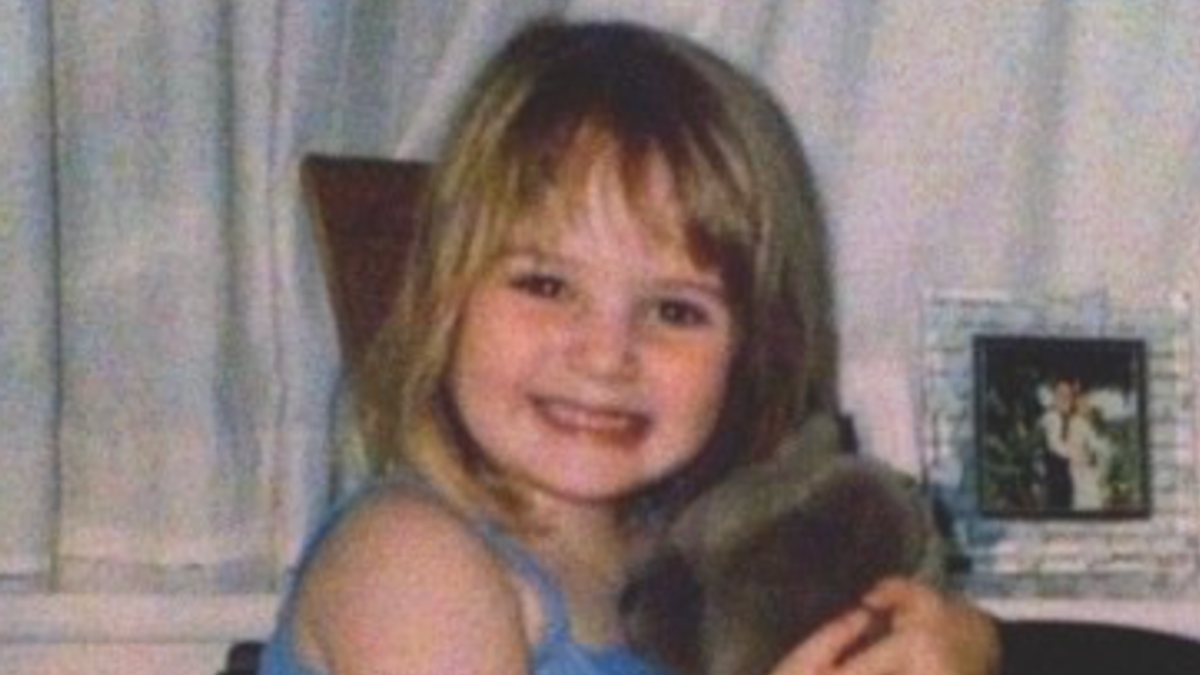

Halfway through preparing to leave for school, I informed my mother that I wasn’t feeling well and couldn’t go. Unlike most 13-year-olds, my absence wasn’t due to skipping class; I had been experiencing severe headaches for several days. Despite visiting my GP and an urgent care center, both dismissed my symptoms as a common migraine.
Initially, I didn’t pay much attention to the situation, feeling embarrassed by the attention. Strangely, after the medical visits, the pain had lessened. However, everything took a drastic turn on that eventful school morning.
The excruciating headache became unbearable, causing my vision to blur and leading to vomiting. Suddenly, I started slipping in and out of consciousness.
My father drove urgently to the nearest hospital in Peterborough, a painful 30-minute journey, with me struggling in my heavily pregnant mother’s lap. My memory is hazy from that point, but the accounts from my family still evoke strong emotions.
Anxious for my well-being, my father swiftly brought me to the children’s unit after arriving at the hospital. Despite my critical condition, we were asked to wait.
Refusing to accept the delay, my father persisted in getting me immediate medical attention as I faded in a wheelchair.
In a stroke of luck, a prominent neurologist, not usually stationed at the hospital, overheard my father’s desperate pleas. Finally, I underwent an urgent MRI scan, and the specialist suspected a brain hemorrhage.
I recall the bright lights seeping through my closed eyes as I was wheeled down the corridor for the scan. Questions about the current year, prime minister, and my last name went unanswered. The echoing sounds of the MRI machine scanning my brain were the only vivid memories.
Thankfully, the MRI revealed no brain hemorrhage but a severe case of meningitis, according to the neurologist.
Doctors administered antibiotics and steroids promptly to combat the life-threatening infection and reduce brain swelling. Miraculously, my body responded positively, and my cognitive functions began to recover, albeit in a critical condition.
I was rushed to Addenbrooks hospital, a leading neurosciences facility in the UK, where I received exceptional care. Following two lumbar punctures, my diagnosis of both viral and bacterial meningitis was confirmed.
I spent around a month hospitalized before being discharged with continued treatment through a cannula.
After nearly losing my life, I returned to school after eight weeks, physically recovered but emotionally scarred. The timely intervention by the passing neurologist was pivotal in my survival.
While typical meningitis symptoms like rash and stiff neck are well-known, my case presented with unusual signs, primarily severe headaches, making diagnosis challenging, especially for young children.
My encounter with near-death occurred before the introduction of the meningitis B vaccine in the UK’s NHS childhood immunization program. Despite medical advancements saving many lives, tragedies still occur.
Recent tragic events, such as the meningitis outbreak at the University of Kent, serve as a stark reminder of the swift and deadly nature of this disease.
I consider myself fortunate to have survived relatively unscathed. The NHS estimates that one in ten cases of bacterial meningitis leads to fatalities.
I urge everyone to ensure they are vaccinated against meningitis to potentially save lives.