

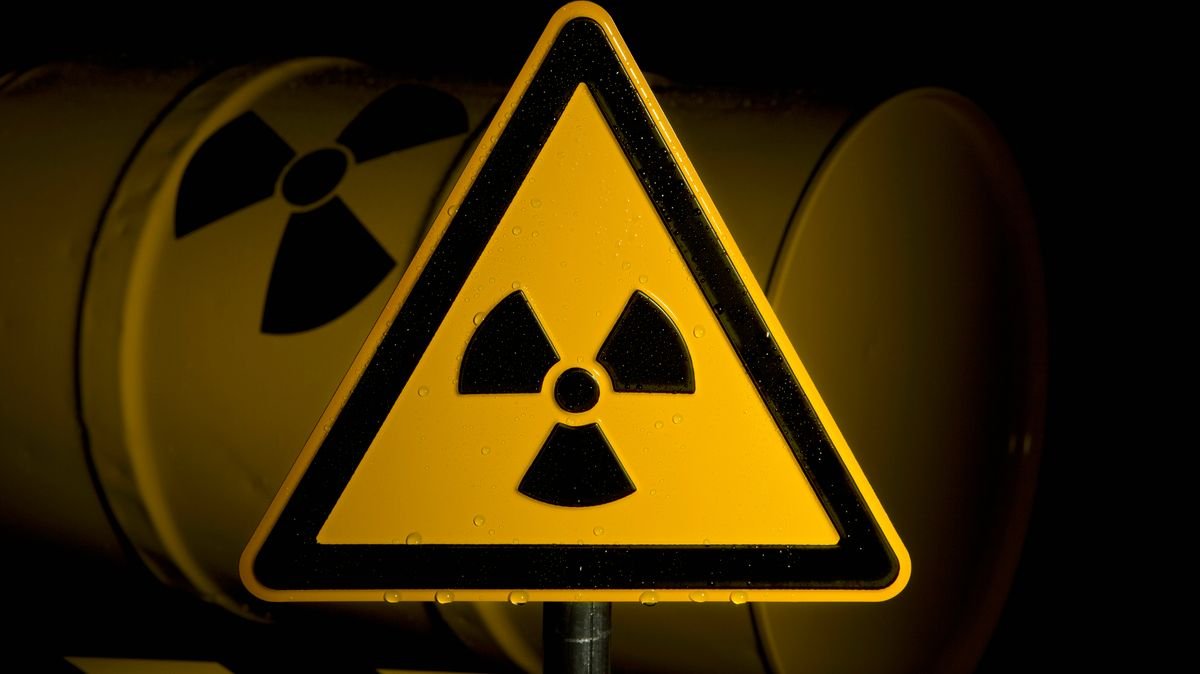

As global tensions rise, individuals are feeling the need to equip themselves with knowledge and practical preparedness in the face of potential war. Understanding the implications of a radiation emergency, such as a nuclear strike, is crucial as it can have varying impacts on public life depending on the specific circumstances.
Radiation emergencies can arise from various sources, including nuclear explosions, accidents at nuclear power plants, or mishaps involving radioactive material transportation. In any case, the steps to safeguard oneself remain consistent. By adhering to simple guidelines, individuals can ensure their safety and that of their families in the event of such a crisis.
In the event of a nuclear explosion, seeking shelter indoors is paramount for protection against radiation exposure. Creating a barrier between oneself and the radiation by staying indoors and awaiting official instructions is advised. It is also essential to decontaminate oneself and any pets that may have been exposed to radioactive dust after being outdoors post-explosion.
To effectively decontaminate pets, brushing their coat to remove particles and washing them with soap and water if accessible is recommended by the US government’s Ready website. Similarly, individuals should cleanse their skin and hair to eliminate any radioactive particles, using wipes or clean wet cloths if water is not available.
Maintaining hydration and nourishment is critical during radiation emergencies. Consuming items that were inside a sealed building or wiped down if outdoors can be deemed safe for consumption. However, outdoor items must be cleaned and stored away from pets and individuals, according to official guidelines.
Under no circumstances should food from gardens or outdoor sources be consumed during a radiation emergency, as these items are considered unsafe for consumption. Vigilance in monitoring for signs of contamination-related illness is essential, with prompt adherence to medical advice if sickness or injury occurs.
In such distressing situations, caring for one’s mental well-being is crucial. Seeking support, communicating feelings, and not facing the ordeal alone can aid in maintaining sound mental health. Preparing in advance by establishing communication plans with loved ones, identifying meeting points, and familiarizing oneself with evacuation procedures at various locations can enhance readiness for any potential evacuations.
Overall, being proactive in readiness and responsive to official guidance is key to ensuring personal safety and well-being during a radiation emergency.