

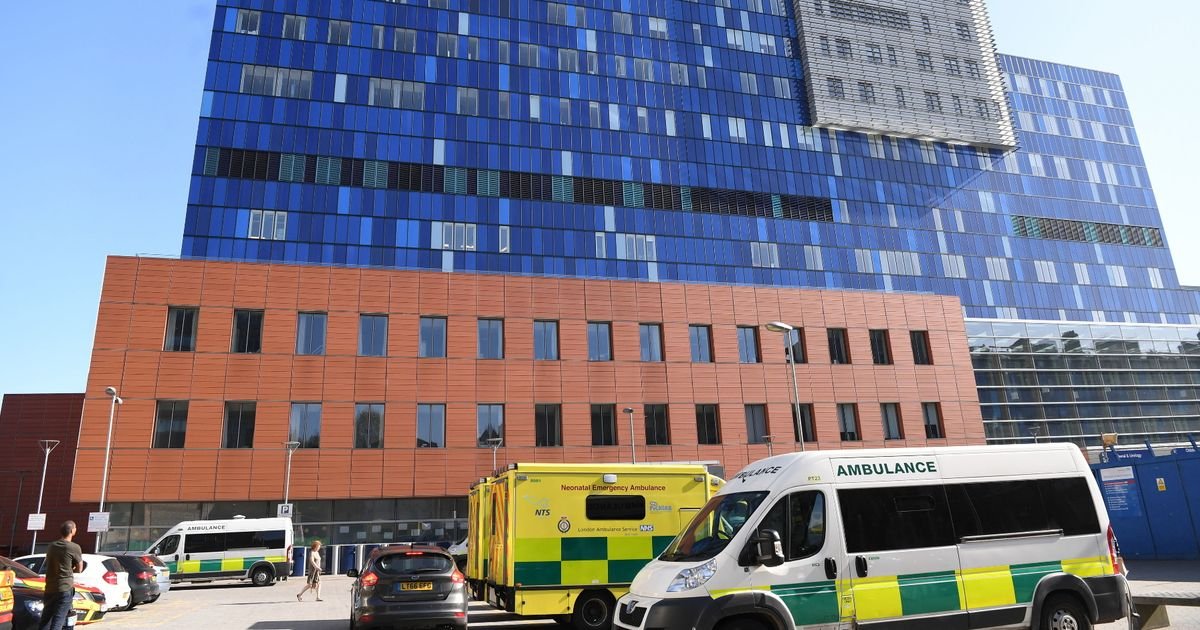

The Royal London Hospital’s specialized emergency sickle cell unit is scheduled for reopening following a successful campaign supported by The Mirror. Initially introduced as a six-month pilot program, the unit offered expedited access to specialized care for individuals affected by sickle cell disease, the fastest-growing genetic disorder in the UK, particularly prevalent among those of African or Caribbean descent. This condition causes red blood cells to adopt a sickle shape, leading to painful blockages that can trigger life-threatening crises and severe complications.
The Sickle Cell Society confirmed the forthcoming reopening of the specialized unit, stating, “We are pleased to confirm that the same day emergency care unit at the Royal London Hospital will reopen.” Funding for the service was secured through discussions involving the local Integrated Care Board (ICB), the Sickle Cell Society, and the Royal London Hospital’s red cell clinical team. While specific operational details, including the reopening date and location, are pending confirmation, the reinstated unit is expected to integrate insights gained from the pilot to maximize its impact.
Delo Biye, a London resident aged 48 and living with sickle cell, spearheaded a petition to prevent the unit’s closure after discovering the impending shutdown during an emergency visit to the hospital. Following the unit’s closure earlier this year, Delo experienced a sickle cell crisis, noting a significant decline in specialist care quality. Delo emphasized the essential support provided by units like the Royal London facility, which general emergency departments often struggle to deliver.
The No One’s Listening report, issued jointly by various organizations including the Sickle Cell Society in response to the 2021 All Party Parliamentary Group findings highlighting deficiencies in sickle cell care, catalyzed the establishment of specialized facilities such as the Royal London unit. A spokesperson for the Sickle Cell Society expressed optimism about the reopening, affirming that it would reassure many patients and families, emphasizing the need for sustainable services resulting from local and national pilots to enhance long-term patient experience and health outcomes.
Nationwide, only seven emergency sickle cell bypass units exist, introduced as part of an ongoing NHS England pilot program under evaluation. Delo credited the successful advocacy to reopen the Royal London unit to media support, particularly from outlets like The Mirror that raised awareness about sickle cell disease. Patients and advocates envision the reopening as a stepping stone toward establishing enduring specialized care for sickle cell patients nationwide.
Barts Health NHS Trust stated, “We have secured funding to explore alternative crisis pathways for sickle cell patients.”