

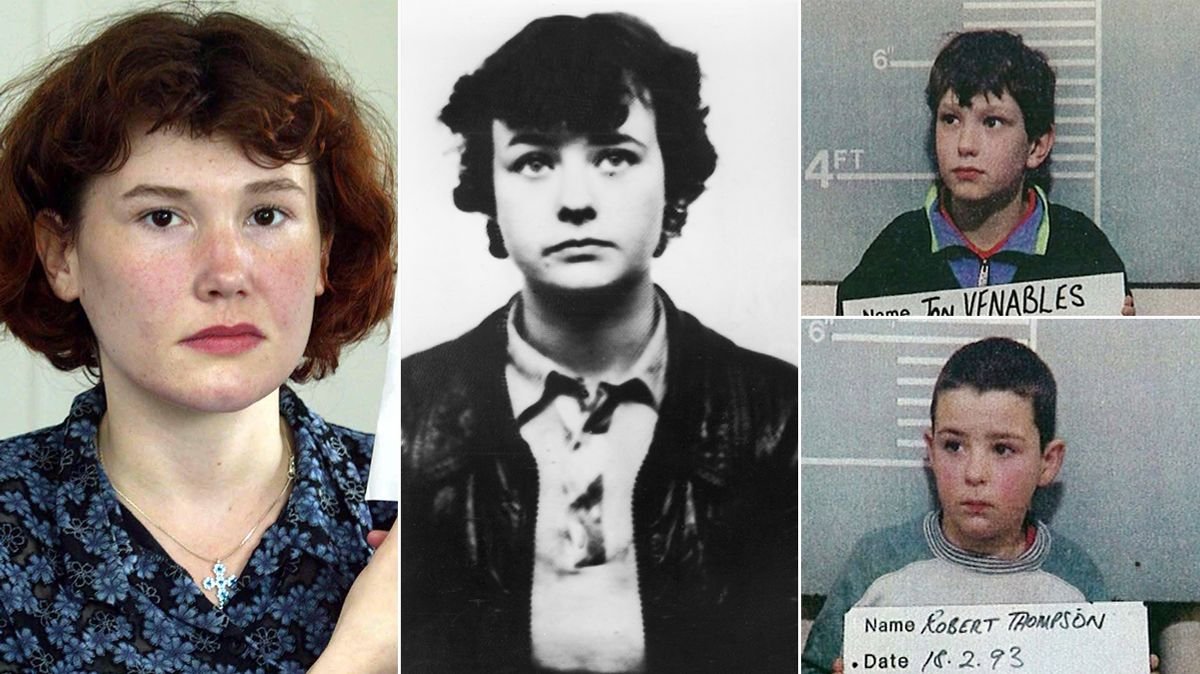

In the British justice system, a select group of the nation’s most infamous criminals are granted special protection following their involvement in some of the most heinous crimes. These contentious legal decisions ensure that their identities, locations, and any information that could expose their new lives are shielded from public disclosure. In certain instances, these individuals have been furnished with new names, residences, and complete identities, incurring ongoing expenses covered by taxpayers.
Advocates of these measures argue that such orders are essential to prevent vigilante retribution and facilitate the rehabilitation of offenders, particularly those who were minors at the time of their offenses. Conversely, critics, including families of the victims, contend that these protections prioritize the rights of murderers over those whose lives they have shattered.
Among those benefiting from lifelong anonymity are individuals such as Mary Bell, who gained notoriety as one of the UK’s youngest killers after being convicted at the age of 11 for the murders of two young boys in 1968. Bell’s crimes, committed in Scotswood, Newcastle upon Tyne, shocked the nation, with her first victim, four-year-old Martin Brown, and subsequent victim, three-year-old Brian Howe, meeting tragic fates at her hands.
Following her trial, Bell was diagnosed with psychopathic personality disorder and deemed to have committed the acts under diminished responsibility. She served approximately 12 years in detention before her release in 1980 under lifetime anonymity. Despite attempts to maintain a low profile, her whereabouts have occasionally surfaced, prompting calls from the families of her victims to lift her veil of secrecy.
Another figure shielded from public scrutiny is Maxine Carr, not a perpetrator of violence herself but closely associated with the high-profile case of school caretaker Ian Huntley, who murdered two young girls in Soham in 2002. Carr’s involvement in providing Huntley with a false alibi led to her conviction for perverting the course of justice, resulting in a prison sentence and subsequent reintegration into society under a new identity and perpetual anonymity to safeguard her from potential threats.
The saga of these individuals underscores the complexities and ethical dilemmas surrounding the protection of criminals with dark pasts. Despite the measures in place, the ongoing debate over the balance between rehabilitation, public safety, and the rights of victims remains contentious in legal and societal discourse.