

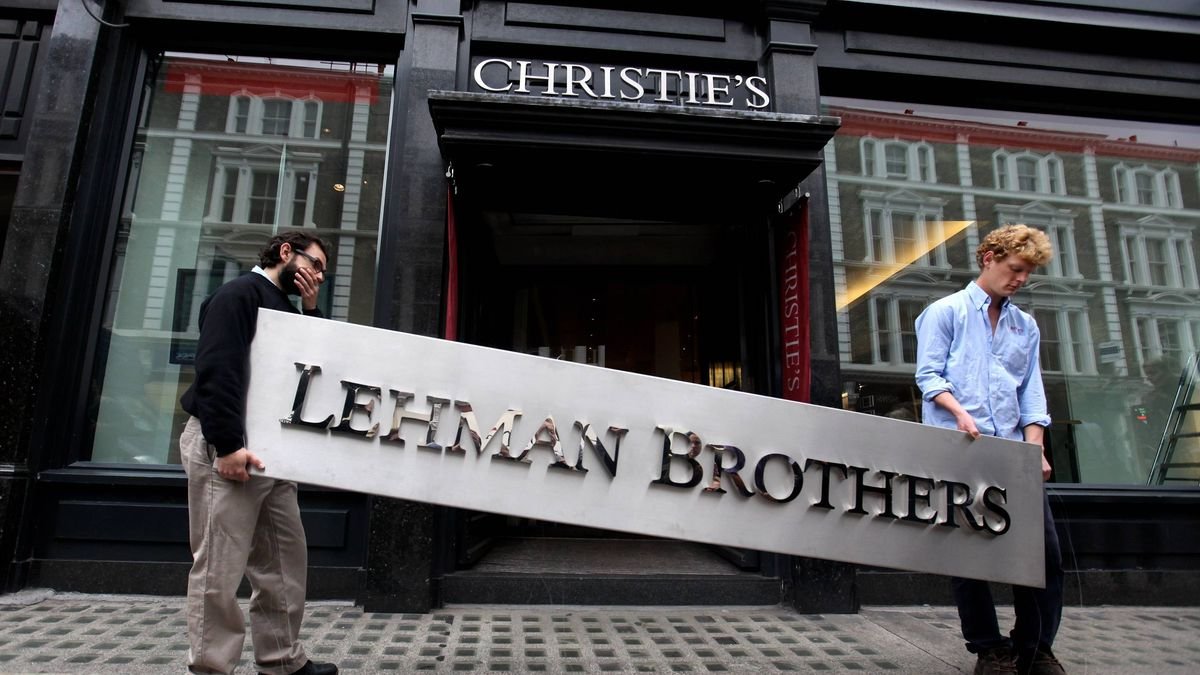

The financial crisis of 2008 remains a significant and far-reaching economic catastrophe etched in recent memory. Originating from imprudent lending practices in the US housing market, the crisis swiftly spread globally, exacerbating an already severe recession and necessitating government interventions to bail out financial institutions worldwide.
Renowned former hedge fund professional Richard Bookstaber, known for his prescient book “A Demon of Our Own Design” that foretold the impending crash in 2007, now cautions about a potentially graver crisis looming ahead. In an article for the New York Times, he highlights the resurgence of risk, citing a landscape fraught with pressures historically linked to major financial crises. This time, the risks are pervasive across various sectors, markets, and countries, encompassing artificial intelligence, the substantial $2 trillion private credit industry, stock exchanges, Taiwan, and Iran.
Bookstaber underscores the vulnerability of the lending sector, noting that many borrowers supporting the industry are software and tech companies – precisely the entities whose functions could soon be supplanted by AI technologies. He further warns that existing conflicts in the Middle East, coupled with escalating tensions between the US and China in the South China Sea, could further destabilize these industries.
The potential energy shock emanating from the ongoing Middle East conflict could directly impact data centers and AI production, escalating costs for the essential AI infrastructure that more enterprises are relying on. Additionally, the looming threat of China’s actions against Taiwan poses a substantial risk. With China asserting territorial claims over Taiwan and the US military presence being a deterrent, a US entanglement in the Middle East might embolden Chinese actions against Taiwan, potentially disrupting the global supply chain of computer chips critical for AI-driven businesses.
Bookstaber emphasizes the interconnectedness of the global economy, cautioning that the current financial system’s fragility surpasses that of 2008. He underscores that the convergence of physical risks from geopolitical tensions and the AI boom is overshadowing traditional financial risks, making the system more susceptible to rapid and widespread disruption.
In conclusion, Bookstaber warns that the intricate web of global interdependencies renders a new financial crisis potentially more perilous, as any disturbances can propagate swiftly through the system, leading to unprecedented repercussions on a global scale.