

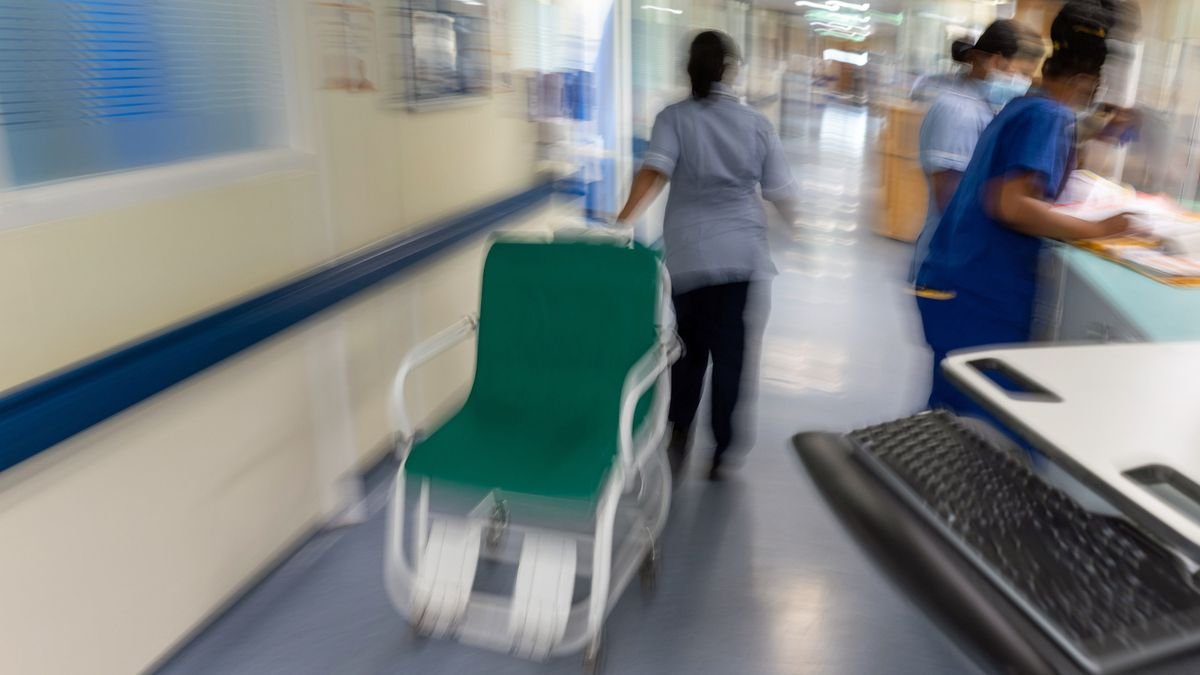

A groundbreaking healthcare initiative within the NHS that delivers emergency services to individuals at their residences is expanding to additional medical facilities. The Physician Response Unit, first introduced at the Royal London Hospital more than twenty years ago, spares countless people the distress of enduring long waits and overcrowded hallways known as “corridor care” annually. Instead of heading to the emergency room, patients can dial 999 and receive high-quality medical care from the comfort of their own beds.
The success of the program at the Royal London has prompted Barts NHS Trust, which oversees the hospital, to officially implement the service at other locations starting next month, with other trusts expressing interest in following suit. This decision follows a month where 71,000 patients had to endure waits of over two hours on stretchers in January, marking the highest number on record.
Dr. Alex Alexiou, a consultant involved in the initiative, highlighted the potential risks of hospital visits, particularly for the elderly, emphasizing the negative impact on muscle mass, mobility, independence, and susceptibility to infections. The Royal London’s PRU service operates with three teams, each comprising an A&E physician and an ambulance crew member, visiting approximately six homes daily. These teams, which successfully managed to prevent 2,550 hospital admissions last year, arrive equipped in rapid-response vehicles capable of handling various medical emergencies, from cardiac arrests to catheter replacements.
The majority of calls received are Category Two, which typically necessitate urgent hospital testing. Although the teams treat a wide range of illnesses, patients with critical conditions or acute psychiatric crises must be seen in a hospital setting.
Medical professionals working in the field emphasize the personalized care they can provide while on the move. In contrast to the busy environment of an emergency room, where time with patients is often limited, being in a patient’s home allows for more dedicated attention.
The rollout of this service comes in the wake of alarming NHS statistics for January, revealing that 71,000 patients faced trolley waiting times exceeding 12 hours, the highest figure since 2010. Furthermore, the percentage of patients admitted, discharged, or transferred within four hours dropped to 72.5%, the lowest rate since December 2024.
Age UK’s analysis uncovered over 100,000 instances in 2024/25 where individuals over 65 experienced waits of one to three days in A&E. David, a 77-year-old patient who spent 30 hours in A&E, recounted a harrowing experience of discomfort and neglect, emphasizing the dire conditions many patients face in overcrowded emergency departments.
In the 2024/25 fiscal year, a total of 27.4 million visits were made to A&E departments across England, including approximately 17 million to major units and 10.8 million to minor facilities.