

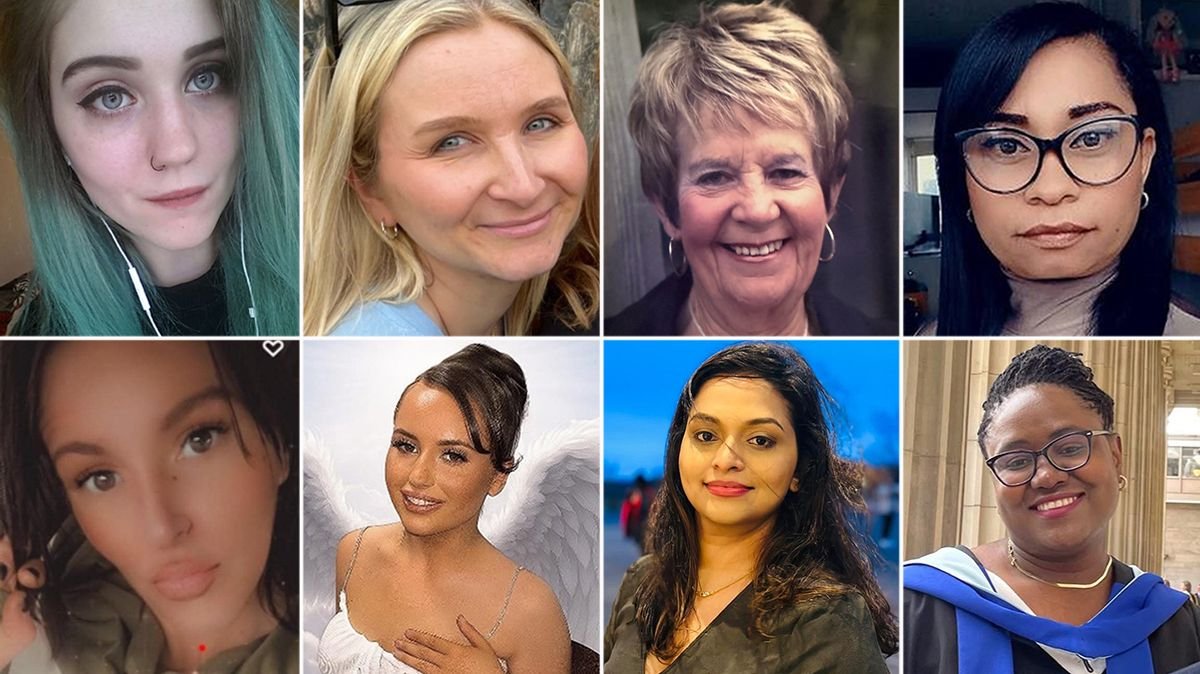

Today in Parliament, members of Parliament observed a moment of silence while the names of 110 women who lost their lives at the hands of men in the past year were read aloud.
Jess Phillips continued the yearly tradition, marking the 11th year, of honoring women who have been victims of male violence or where men have been charged since the previous International Women’s Day. This practice is a collaboration between Ms. Phillips and Counting Dead Women, a project affiliated with the Femicide Census. The Home Office minister first read a list of women killed by men in 2016.
Addressing fellow MPs, Ms. Phillips emphasized the ongoing suffering faced by women and girls across the country, highlighting the prevalence of attacks, abuse, harassment, and stalking both in physical and online spaces. She stressed the urgency of addressing the widespread violence against women and girls, calling for justice for the victims and advocating for preventative measures to protect others from similar fates.
In her role as a Home Office minister, Ms. Phillips pledged to allocate resources and implement a monitoring system to ensure the implementation of recommendations arising from domestic homicide reviews. She underlined the importance of translating insights from these reviews into concrete actions rather than allowing them to gather dust on bureaucratic shelves.
The list of victims included individuals like Courtney Angus, who was tragically killed by Michael Doherty, known as Michael Moore, in West Yorkshire. Another victim, Brenda Breed, 87, was found deceased in her home, with her son currently on trial for her alleged murder.
Additionally, the names of Vanessa Whyte, 45, along with her children James Rutledge, 14, and Sara Rutledge, 13, were mentioned. They were fatally shot in their home, allegedly by Ian Rutledge, who was suspected of committing a triple murder and suicide. Stephanie Blundell, 41, and Isobella Knight, 32, were also remembered for losing their lives to male violence in separate incidents.
Dr. Hannana Siddiqui OBE and other advocates called for urgent action to address the systemic issue of femicide, particularly emphasizing the disproportionate impact on Black, minoritized, and migrant women. They urged authorities to treat cases involving these communities as murder from the outset to prevent further tragedies.
Various organizations and officials, including Layla Coe, Karen Ingala Smith, and Dame Nicole Jacobs, echoed the call for systemic changes to combat violence against women and girls. They emphasized the need for accountability, swift responses to domestic abuse-related deaths, and a fundamental shift in societal attitudes to prevent such tragedies in the future.
The Femicide Census meticulously documents cases of women killed by men or where men have been charged in the UK since the previous International Women’s Day, shedding light on the stark reality of gender-based violence in society.