

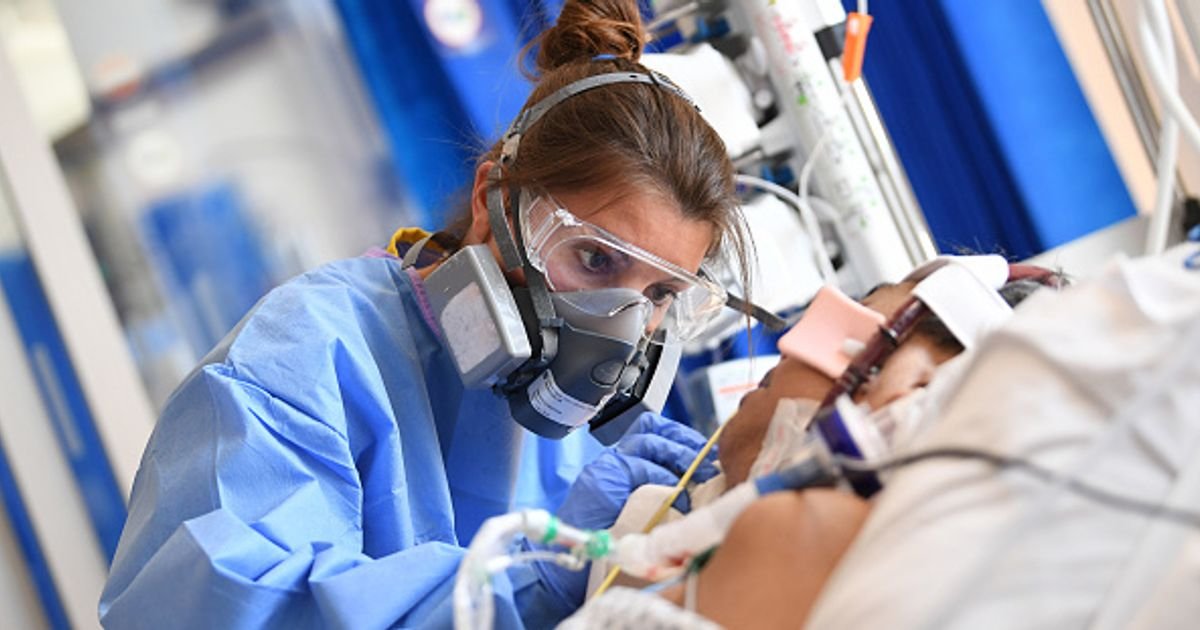

A new report set to be released today will unveil the profound impact of the coronavirus pandemic on the NHS. The Covid-19 Public Inquiry is poised to deliver its assessment of how the country’s healthcare system managed the global crisis and the repercussions felt by patients and staff. Throughout the inquiry, healthcare leaders were visibly emotional, with one senior medical professional breaking down in tears while recounting harrowing scenes from intensive care units.
Professor Kevin Fong, a former national clinical adviser at NHS England, characterized the death toll in intensive care units as remarkably high, highlighting the strain on hospitals. The exhaustive public inquiry, spanning two-and-a-half years, featured distressing testimonies from various witnesses.
Earlier segments of the inquiry found that the government, under Boris Johnson’s leadership, delayed action resulting in thousands of preventable deaths. Baroness Hallett concluded that the Prime Minister fostered a detrimental environment, criticized for mishandling the pandemic by bereaved families.
Former health secretary Matt Hancock testified at the inquiry, revealing the precarious shortage of personal protective equipment in English hospitals during the initial pandemic phase. He reluctantly approved the decision to halt non-urgent planned healthcare services amid the crisis.
In parallel, the government has introduced measures to enhance visitation rights for individuals in hospitals and care homes. The new guidelines aim to ensure that patients and residents maintain connectivity with their loved ones, except in exceptional circumstances. The Health and Social Care Department is exploring legislative changes to bolster visiting rights as part of broader reform efforts.
The Covid-19 Bereaved Families for Justice group emphasized the vulnerability of the NHS due to prolonged austerity measures, urging urgent reinforcement of healthcare funding and capacity. The group discredited claims by Johnson and Hancock that the NHS effectively managed the pandemic, citing overwhelmed hospitals and strained healthcare workers.
Baroness Heather Hallett, the inquiry chairwoman, scrutinized various aspects of the NHS’s response to the pandemic, including management strategies, primary care involvement, vaccine distribution, and support for long Covid patients. Module 3 of the inquiry, which commenced in November 2022, examined the governmental and societal responses to Covid-19, alongside the pandemic’s impact on healthcare systems and frontline workers.