

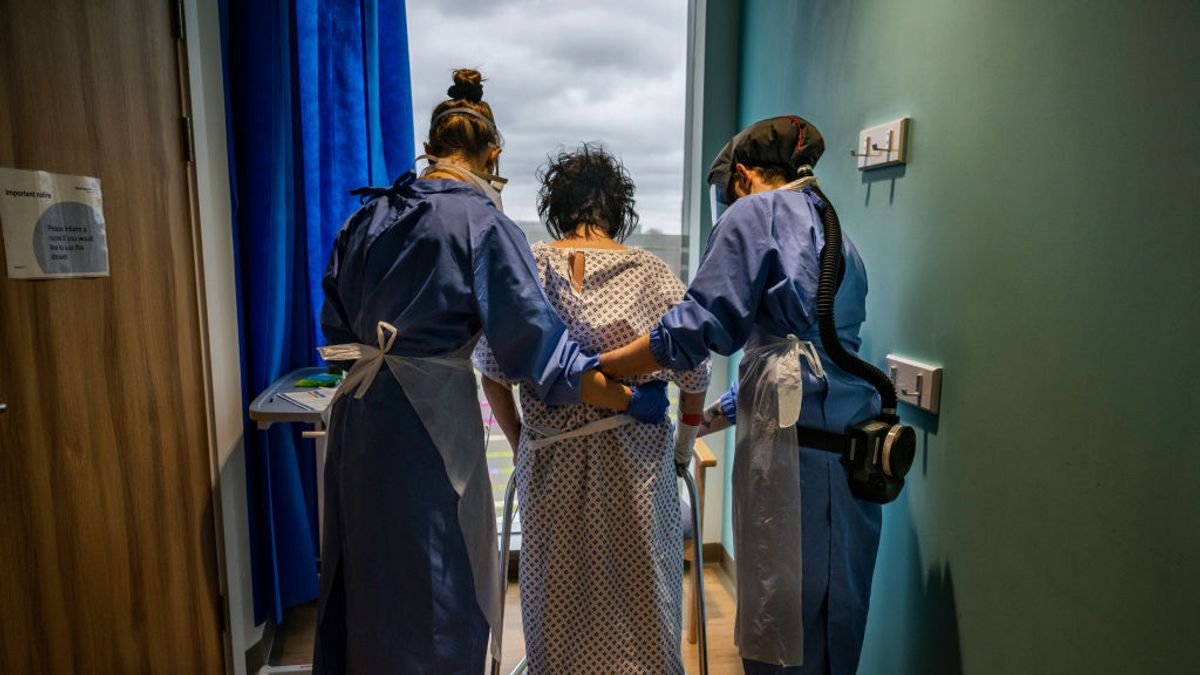

The Covid-19 Inquiry has revealed that the National Health Service (NHS) faced a critical situation during the pandemic and was only rescued by the remarkable efforts of its staff. The inquiry, considered the largest in British history, has assessed the healthcare system’s response, highlighting its unpreparedness, strain, and vulnerability following years of Conservative governance.
Baroness Heather Hallett, the inquiry chair, emphasized that healthcare workers bravely risked their lives, with some tragically succumbing to the virus, in order to maintain critical services in NHS hospitals. The report outlined the dire state of the healthcare systems across the UK, citing workforce shortages, aging infrastructure, limited hospital beds, and high occupancy rates, which led to devastating consequences during the pandemic.
Despite the healthcare systems managing to navigate the crisis, they were on the edge of collapse multiple times, sustained only by the extraordinary dedication of healthcare personnel and supporting staff. The inquiry, costing over £200 million, aims to provide a roadmap for future governments to better prepare for similar health emergencies, with today’s report marking the third of ten planned publications.
Professor Nicola Ranger, representing the Royal College of Nursing, expressed a strong call to action, stressing that the failures in nursing and public support during the pandemic must not be repeated. The report highlighted severe shortcomings in critical care services, exacerbated by a lack of resources and poor planning, resulting in preventable loss of lives.
Baroness Hallett’s findings contradicted former Prime Minister Boris Johnson and ex-Health Secretary Matt Hancock’s assertions that the NHS was not overwhelmed, pointing out the real challenges faced, including the suspension of non-urgent care and delayed diagnoses. The report also criticized the government’s messaging during the pandemic for potentially deterring patients with urgent conditions from seeking timely treatment.
Moving forward, one of the key recommendations is to enhance hospital capacity to handle surges in demand during future health crises. The inquiry also exposed the detrimental impact of years of underfunding and cuts on the NHS, leaving it vulnerable and ill-equipped to withstand major shocks like the pandemic.
Baroness Hallett urged urgent action from the UK governments to implement the inquiry’s recommendations promptly, emphasizing the need to prevent a similar healthcare crisis in the future. Prime Minister Sir Keri Starmer acknowledged the sacrifices made by healthcare workers and pledged to learn from the inquiry’s findings to strengthen the NHS and social care sectors for future challenges.