

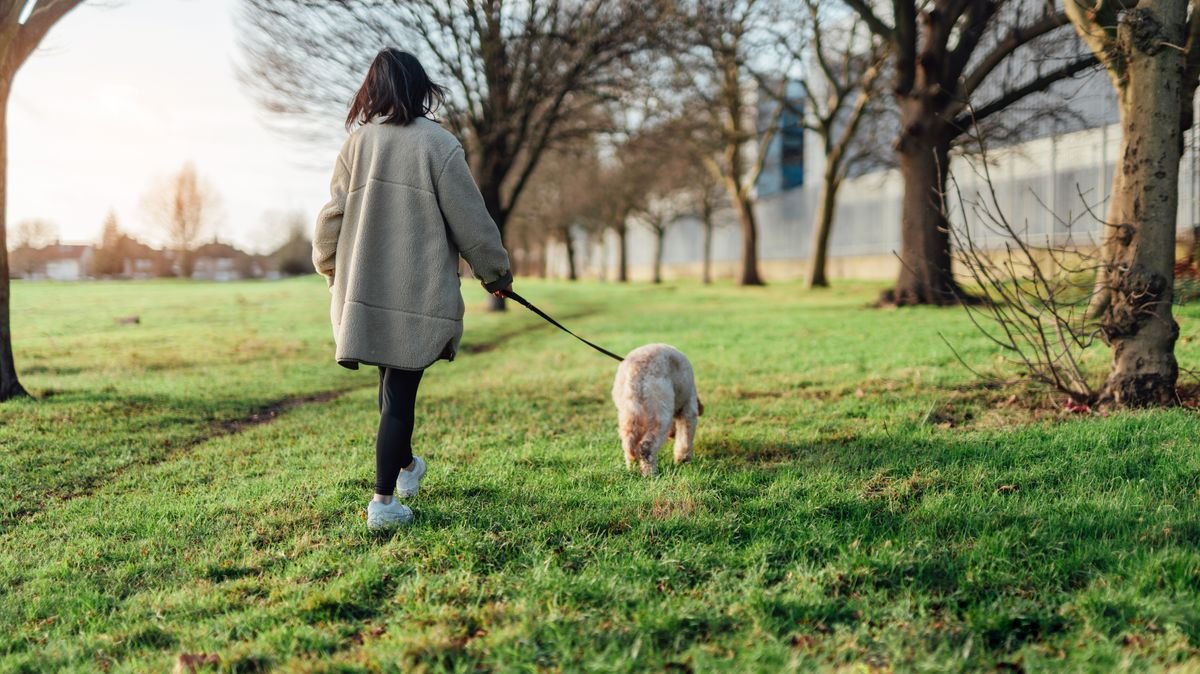

The Government has issued a warning about a new dog walking law that has been implemented, potentially leading to pet seizure and hefty fines for owners. The Department for Environment, Food & Rural Affairs has stated that police have the authority to take dogs away from owners if they suspect potential criminal activity.
Effective as of March 18, a new law in England and Wales aims to provide stronger protection for farm animals from dog attacks. Under this law, the maximum penalty for livestock worrying has been raised significantly. Livestock worrying refers to situations where a dog under someone’s care causes distress, chases or attacks livestock on agricultural land. The primary goal is to prevent harm to livestock, thereby saving farmers substantial amounts of money annually.
The fine for such offenses has been elevated from £1,000 to an unlimited amount, and police are now empowered to detain dogs believed to pose a threat to livestock. Recent surveys indicate that a high number of sheep farmers have experienced dog attacks on their flocks, with increasing costs associated with livestock worrying incidents.
To address these challenges, DEFRA has granted police greater investigative powers, enabling them to enter premises for evidence collection, including animal DNA. Additionally, courts can now mandate offenders to cover the expenses linked to detaining and caring for a seized dog.
These legislative changes are designed to alleviate the emotional and financial burdens faced by farming communities due to these harmful incidents. They aim to safeguard animals, prevent financial losses, and reduce the stress on rural communities caused by such attacks. The new law provides essential tools to combat this issue effectively.
Farming Minister Dame Angela Eagle emphasized the importance of the new penalties in deterring irresponsible behavior leading to livestock worrying. The law reflects the government’s commitment to supporting farmers and ensuring animal welfare.
Farmers are encouraged to promptly report and document any livestock worrying incidents and share relevant information with law enforcement. The law now extends protection to incidents occurring on roads and paths, acknowledging the risks farmers face while moving livestock. Moreover, the definition of livestock has been broadened to include camelids like llamas and alpacas.