

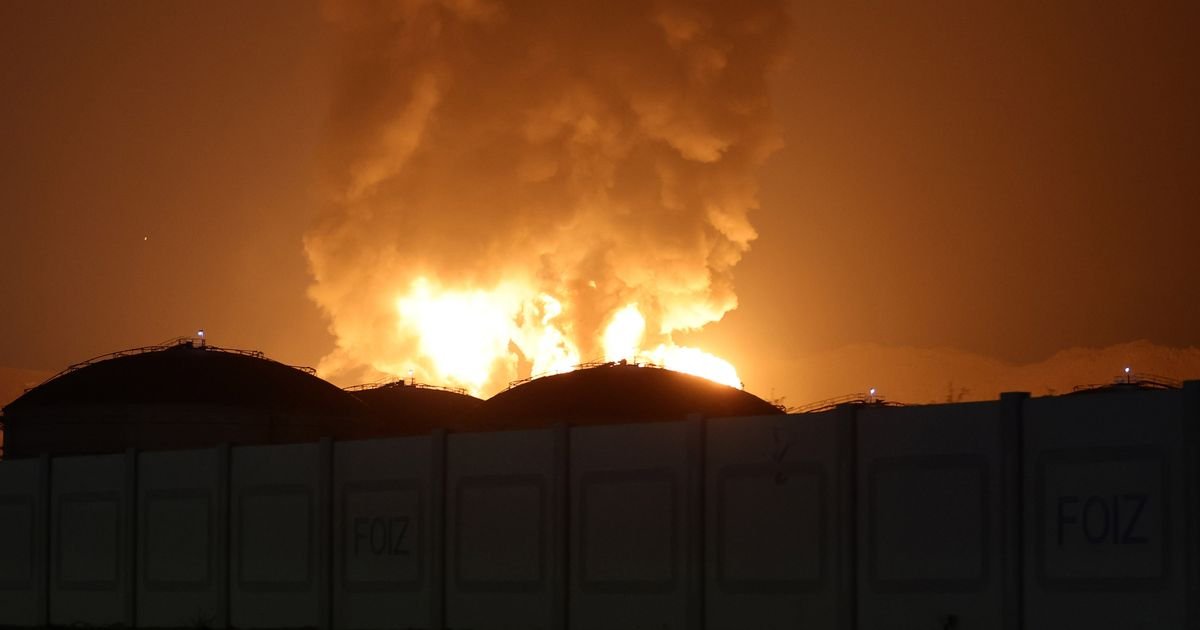

The escalating conflict in the Middle East has the potential to cause a significant surge in oil prices, impacting global economies, according to Qatar’s energy minister. Currently trading at around $89 per barrel, oil prices could double to exceed $150 if the conflict persists, leading to adverse effects on worldwide GDP growth and energy costs for consumers.
Saad al-Kaabi highlighted the risk of Gulf energy exporters halting production, which would further drive up oil prices. Even if the conflict resolves soon, the normalization of production cycles could take weeks or even months. The recent Iranian drone strike on a major liquefied natural gas plant has already caused oil prices to spike, marking the largest weekly gain in years.
The disruption in energy markets, including the closure of the vital shipping route Strait of Hormuz by Iran, has raised concerns among economists about potential inflation and the need for central banks to tighten monetary policies. Qatar, a key LNG producer, anticipates increased demand from Asian markets, leading to higher gas prices.
As tensions escalate, more Gulf countries may declare force majeure, enabling production reductions due to unforeseen circumstances. Analysts predict a substantial rise in household energy bills in the UK, with projections indicating a significant increase in the energy price cap. The ongoing turmoil could also elevate inflation levels, prompting possible adjustments in interest rates by central banks.
The Middle East, a crucial oil-producing region, faces heightened uncertainty with the threat of disruptions to oil trade routes. Any blockage in the Strait of Hormuz, a critical passage for oil shipping, could further elevate global oil prices. The implications of prolonged conflict extend beyond energy markets, potentially impacting trade and economies worldwide.