

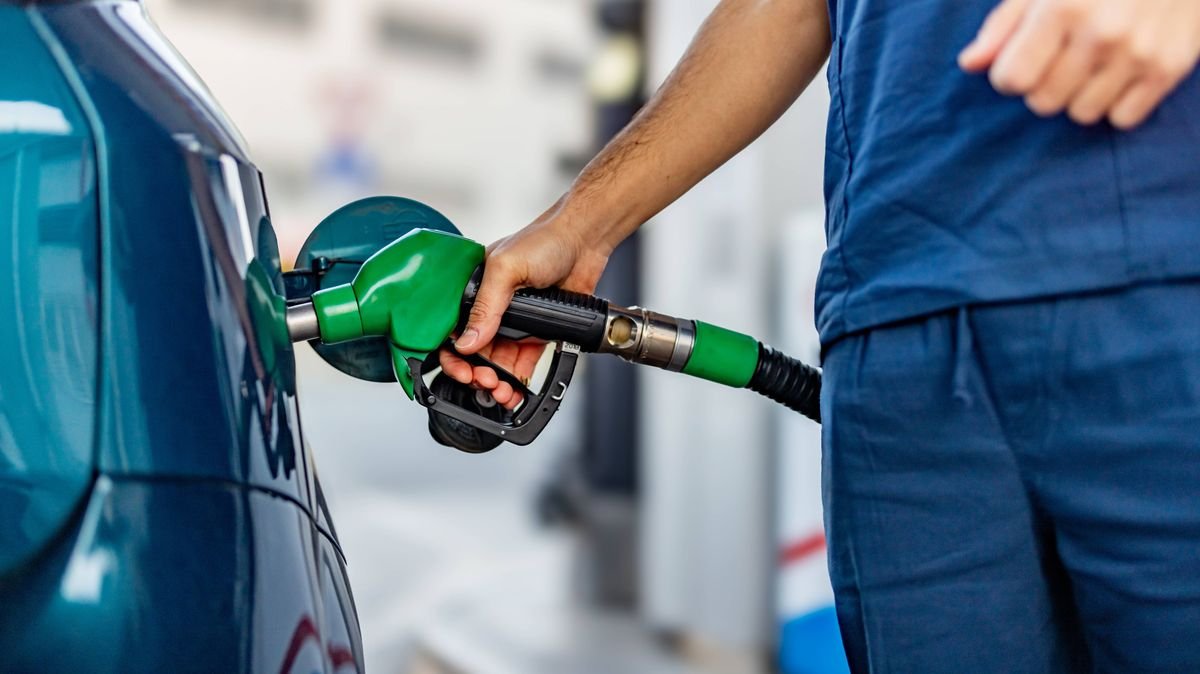

Amid the ongoing Middle East conflict, discussions around escalating prices and potential financial impacts are gaining traction. Heightened concerns over fuel costs have surfaced since the conflict’s eruption, prompting sporadic rushes at gas stations.
In times of war or turmoil, prices across various sectors such as energy, fuel, food, and interest rates typically experience an uptick. Recent history, including the pandemic and the Ukraine conflict, has witnessed substantial spikes in fuel prices.
The intricate nature of the Middle East conflict is compounded by the involvement of major oil and gas producers in the region, many of whom have been targeted. Approximately one-fifth of global oil and gas transit through the disputed Strait of Hormuz, implying inevitable fuel price escalations even if the conflict is swiftly resolved.
Beyond motorists, the trickle-down effect of fuel cost hikes extends to other sectors like transportation, impacting services from taxis to airlines, albeit with a time lag. Additionally, importing essential goods into the UK is set to become costlier due to rising fuel expenses, augmented insurance and liability charges, and heightened demand.
While fuel suppliers in the UK possess established strategies for securing fuel and storage capabilities, renegotiations in the open market can trigger price hikes. The repercussions of escalating fuel prices are not just individual concerns but also central to governmental decision-making worldwide.
Efforts to stabilize the market include the International Energy Agency’s unprecedented release of 400 million barrels of oil. However, persistent worries regarding shipping in the Strait of Hormuz have sustained high prices. Further measures and interventions are anticipated to mitigate market volatility, though prolonged conflict spells continued price hikes.
Given the looming fuel price surge, consumers can adopt various strategies to mitigate costs. Notably, leveraging the government’s ‘Fuel Finder’ service, which mandates real-time price updates from petrol suppliers, can aid in locating the best deals. Utilizing free comparison apps for fuel pricing information tailored to specific locations is another practical approach.
Moreover, exploring loyalty schemes offered by petrol providers and optimizing driving habits can yield substantial savings. Techniques like carpooling, driving during off-peak hours, and maintaining optimal tire pressure can enhance fuel efficiency and reduce expenses.
Considering the evolving scenario, transitioning to electric or hybrid vehicles is increasingly appealing amid dropping prices. Advancements in EV technology have significantly lowered costs, making them a viable alternative. However, factors like charging infrastructure and long-distance travel considerations necessitate thorough assessment before making the switch.
Government grants are available for electric vehicles, now applied directly at the point of sale to incentivize eco-friendly transportation choices. By embracing cost-effective practices and exploring sustainable transport options, individuals can navigate the impending fuel price surge with financial prudence and environmental consciousness.