

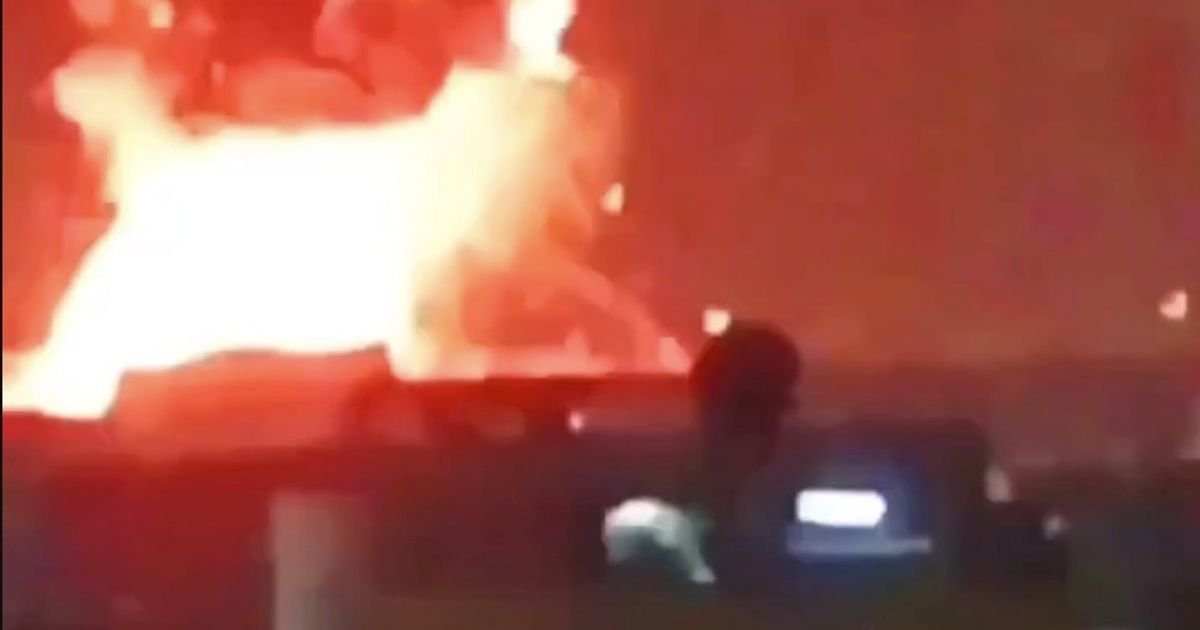

Chaos persists in the Middle East following the aftermath of US and Israel’s attacks on Iran. President Trump has issued a menacing threat to destroy the world’s largest gas field amidst escalating tensions.
Iran retaliated against an Israeli strike on the South Pars gas field, a vital natural gas reserve jointly owned with Qatar. Iran escalated attacks on energy infrastructure in Gulf Arab countries, resulting in fires at Qatari LNG facilities and Kuwaiti oil refineries. These attacks have significantly escalated the ongoing conflict in the region, leading to a surge in global fuel prices.
President Trump responded to the situation by warning Iran that further strikes on Qatar’s energy infrastructure would prompt a massive US retaliation, potentially obliterating the entire gas field. Trump expressed concern over the attacks and emphasized that the US was not involved in the initial strike on South Pars.
The attacks also targeted maritime vessels, with a ship burning off the coast of the United Arab Emirates and another sustaining damage near Qatar. Qatar managed to extinguish a fire at a major LNG facility hit by Iranian missile attacks, but significant damage was reported. The attacks have disrupted production and could impede Qatar’s ability to supply natural gas to the global market in the future.
In addition, drone attacks caused fires at Kuwait’s Mina Al-Ahmadi and Mina Abdullah refineries, with Abu Dhabi shutting down operations at gas facilities due to Iranian attacks. Missile alerts were issued in various Gulf areas, underscoring the escalating tensions in the region. Saudi Arabia, Qatar, and the UAE condemned the Iranian assaults, with Iran warning of far-reaching consequences.
The conflict in the Middle East has raised concerns about the security of energy infrastructure and maritime routes in the region, with the potential for further escalation and widespread implications.