

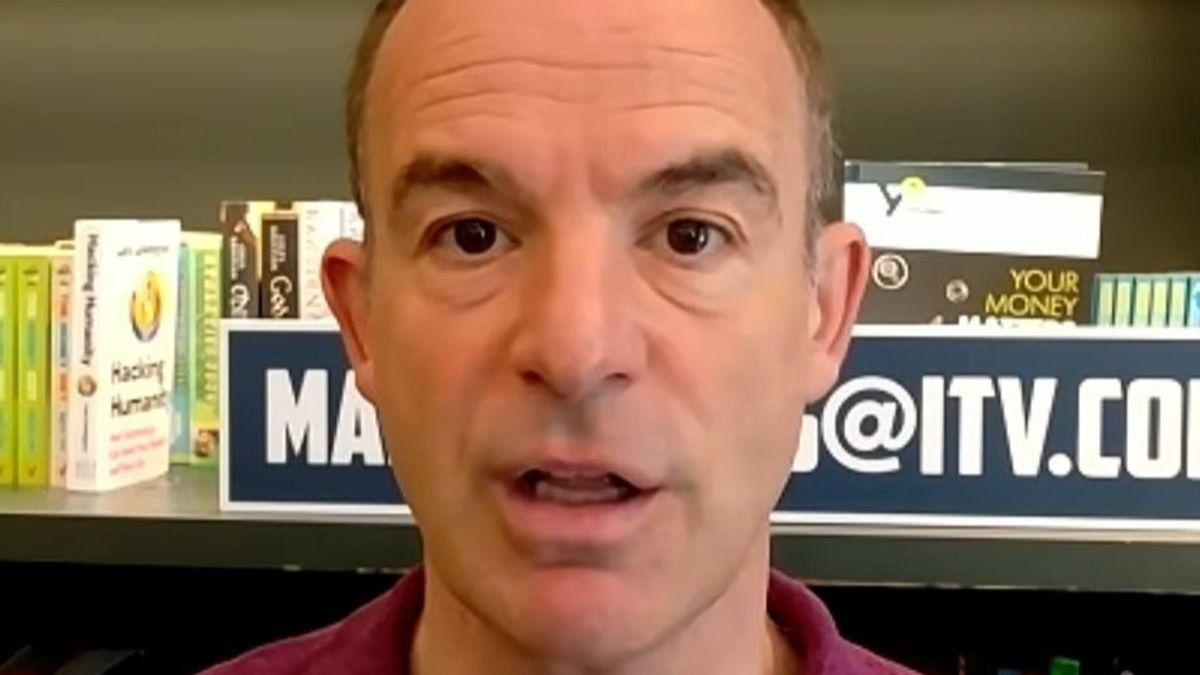

Martin Lewis, known for his expertise in money-saving strategies through the Money Saving Expert (MSE) platform, has been a key figure in helping Britons save money for many years. Recently, he addressed a common debate regarding whether it is more cost-effective to leave the heating on at a low temperature all day or to turn it on and off as needed.
While the weather is gradually warming up, many people still find themselves switching on the heating sporadically to combat the lingering chill. Lewis updated his advice on March 17 on the MSE website, emphasizing the importance of turning off radiators in unused rooms. His philosophy revolves around the idea of “heating the person, not the home.”
In his heating guide, Lewis expressed reluctance in sharing this advice but acknowledged the necessity due to the increasing number of individuals struggling with high energy bills. He emphasized the need to explore energy-saving options, particularly for those facing financial challenges or aiming to adopt more environmentally-friendly practices.
Regarding the potential risks of reducing heating to save money, MSE highlighted concerns for vulnerable groups such as older individuals or those with health conditions like asthma. Lewis also advised checking rental agreements, as some landlords require heating to be maintained at specific levels.
Lewis previously recommended households to turn off radiators in unused rooms to avoid wasting energy and money. Adjusting the flow rate on boilers can lead to significant gas bill savings without sacrificing comfort. Additionally, running the heating constantly throughout the day can result in higher fuel consumption and expenses, as noted by the Energy Saving Trust.
In addition to heating tips, Lewis raised awareness about the high operating cost of tumble dryers, suggesting alternatives like air-drying clothes to cut down on expenses. Dehumidifiers were highlighted as more energy-efficient options compared to tumble dryers, offering potential savings on electricity bills.
Reflective panels placed behind radiators were recommended by Lewis to prevent heat loss through walls. These panels help reflect warmth back into the room, making heating more efficient. Lewis suggested using reflective material or tin foil as cost-effective alternatives to commercial panels.
Considering Lewis’s comprehensive heating guide, individuals seeking to save on energy costs and reduce environmental impact can find valuable insights on the MSE website.